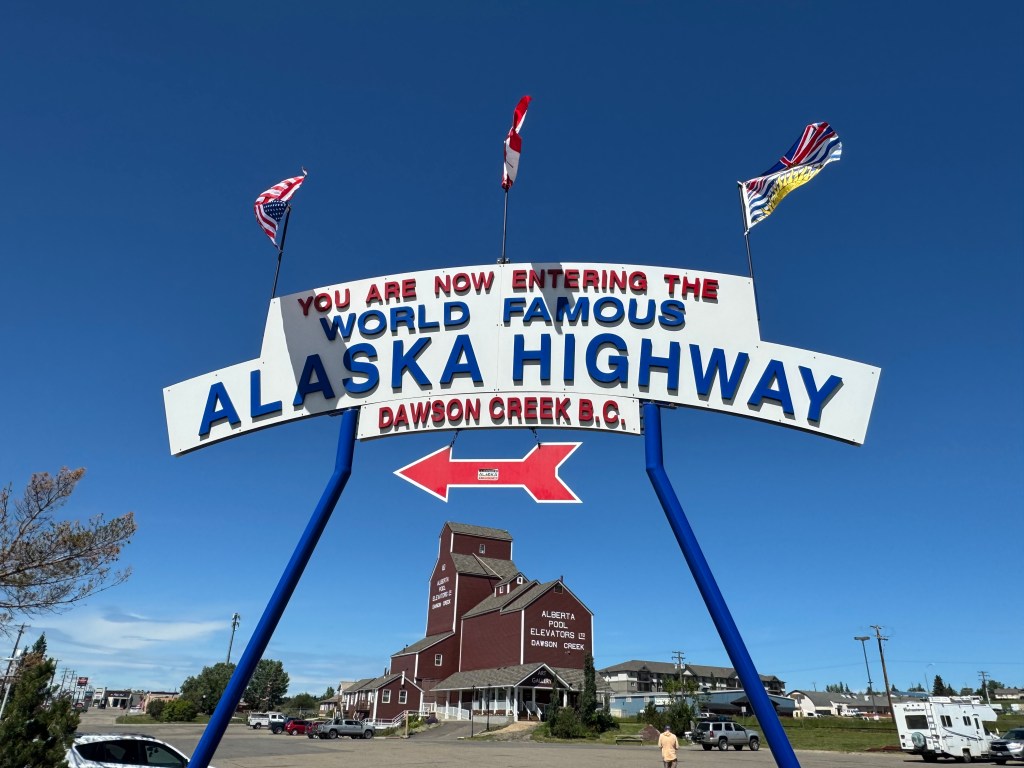
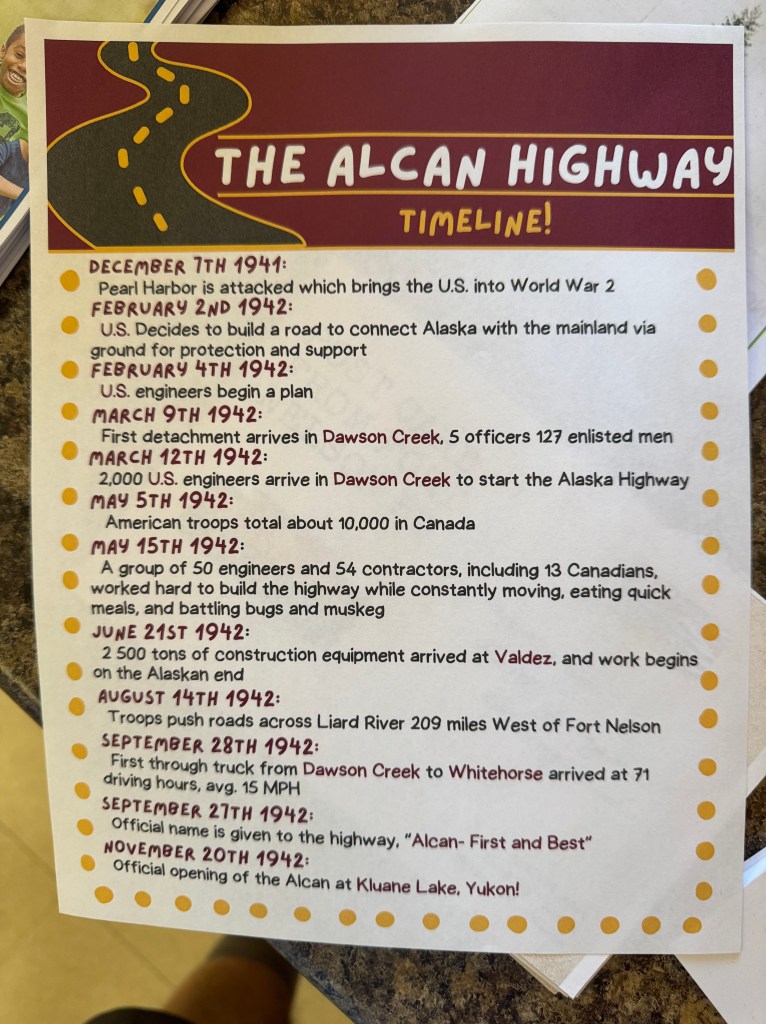

Allen and I rode the bikes 2 miles to town, toured the Tourism Museum and an art gallery then had a lunch.
Allen and I rode the bikes 2 miles to town, toured the Tourism Museum and an art gallery then had a lunch.
Nice breeze, low 70s, sunshine, good friendly people interacting with each other. One couple is from central Florida and another long distance traveler is a friendly couple from Maine.
The first 1/2 of the day the road to Dawson Creek was bumpy but it transitioned to much better after Grand Cache, or about the second 1/2 of the drive. Drove about 120 miles today to Dawson Creek.
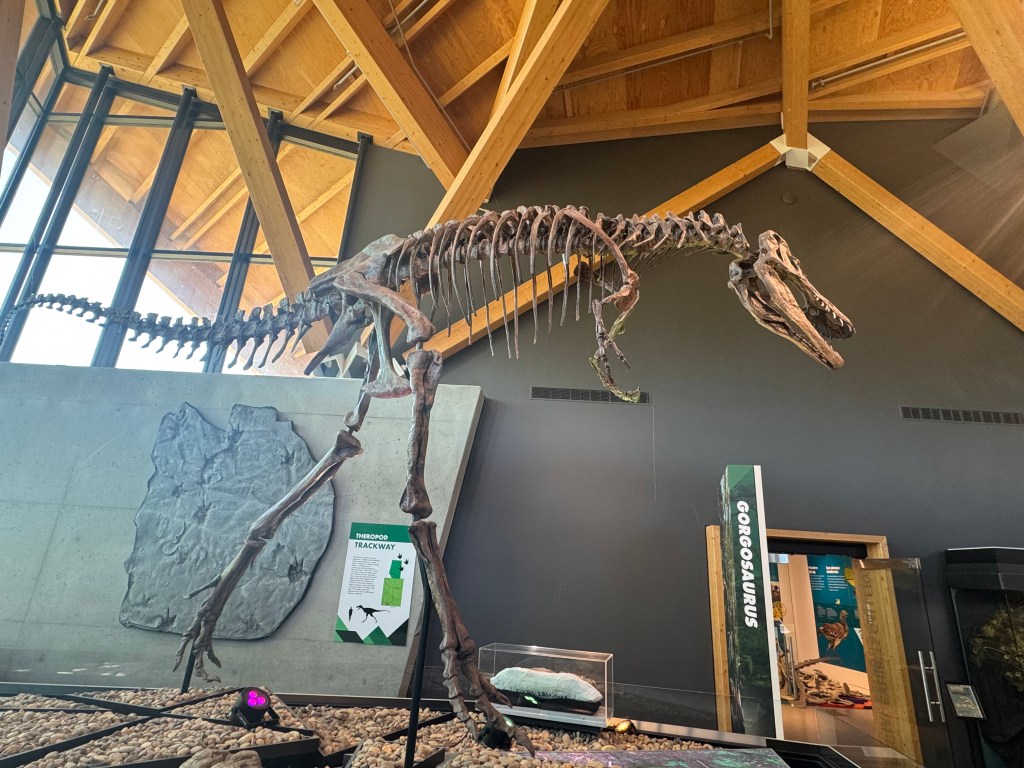
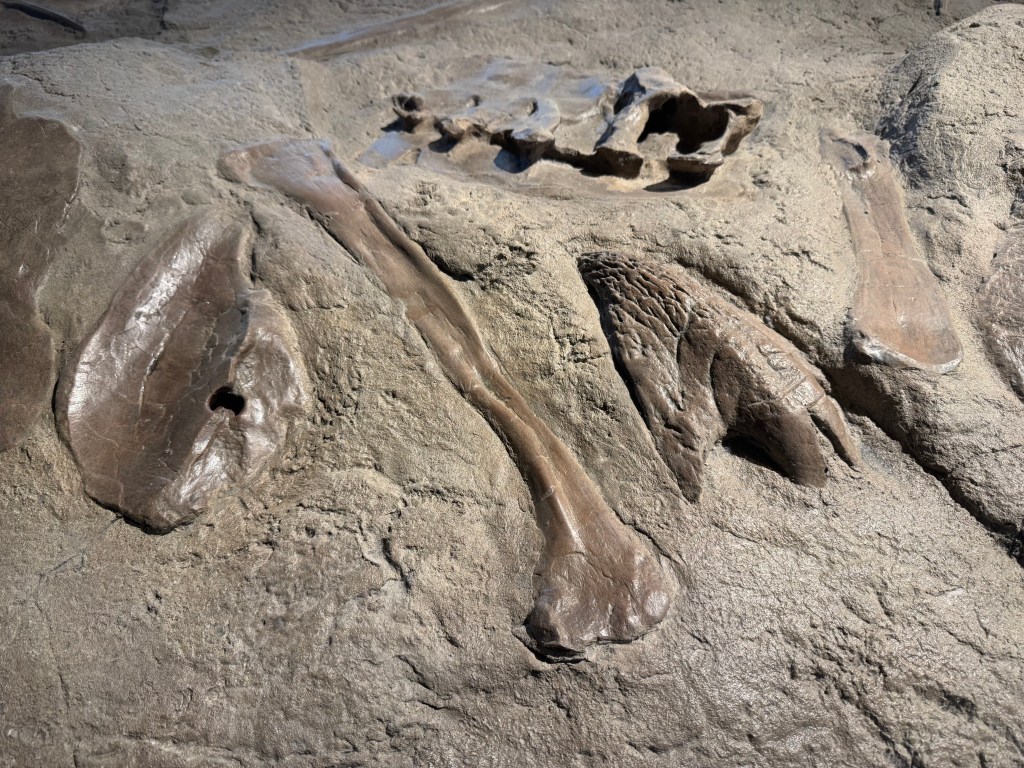
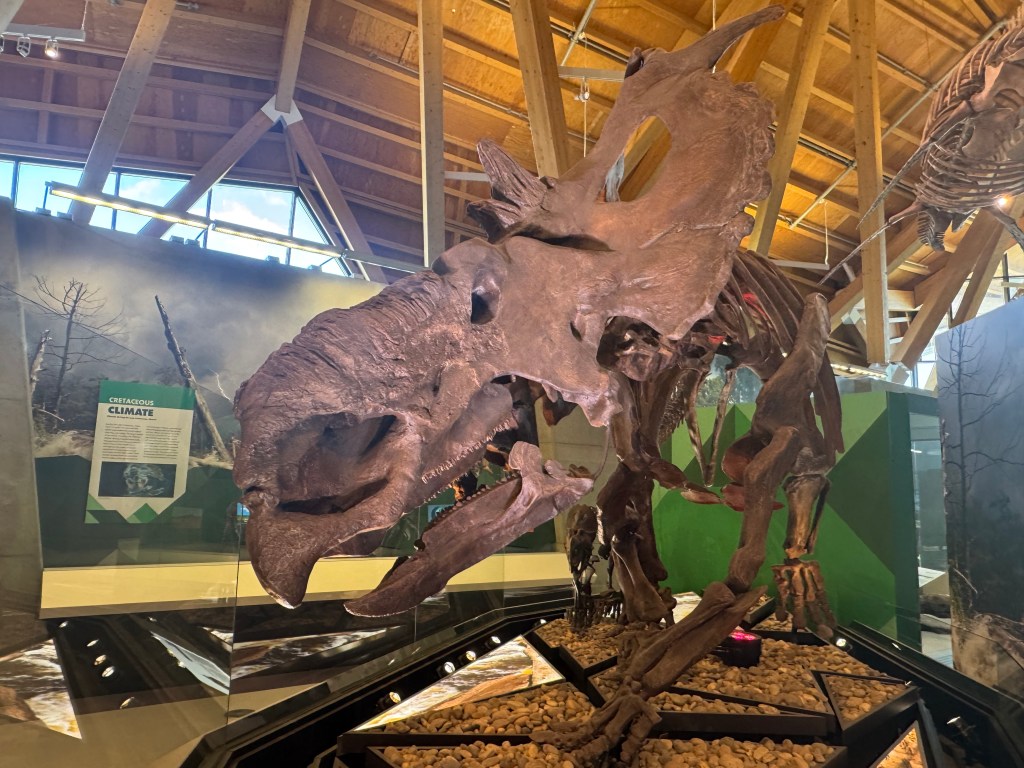
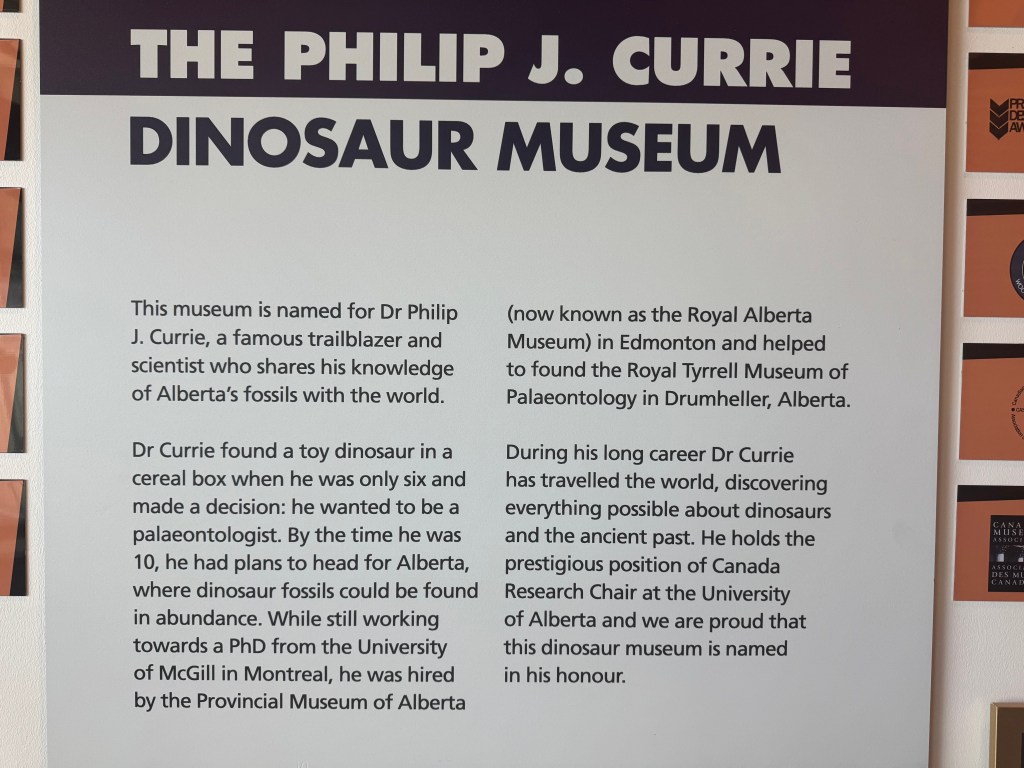
We stopped at the Currie Dinosaur Musuem about 12 miles west of Grand Prairie around 10AM. Not as expansive and impressive as the Tyrrell in Drumheller, but still interesting. Lots of dino footprint exhibits – over 10,000 dinosaur footprints have been found in the vicinity of Grand Cache, south of here. There was an especially interesting and informative video interactive display of plate tectonics over the last 500 million years.
I could have spent an hour turning the dial of the interactive display and watching the continents move across the face of the earth over millions, tens of millions and hundreds of millions of years with each spin of the dial. Forwards, backwards, then forwards and again backwards I spun the dial. I had initially missed the exhibit, but luckily Karen showed it to me almost as we were leaving.
Of special interest was the movement northward of the Indian subcontinent from next to Madagascar off the coast of east Africa up and into the Asian plate, and the subsequent creation of the Himalayan Mountains, as India, Nepal and Bhutan are squeezed against Tibet.

I attended a group social get together at 3 PM with the other trek participants. It was noisy and a bit raucous for my liking, but I endured. I am sure others felt the same way.
An employee of the Dawson Creek Tourist Bureau presented a slide show on the history of Dawson Creek, the Alaska Highway, the old city buildings that were moved, the railroad, etc. Dawson Creek has about 23,000 full time residents.
After that, cocktail hour and dinner. Allen again brought over oysters to BBQ, and again, they were delicious.
Karri’s brother Fred and his wife Lisa joined us at the table and in addition to BBQ oysters, there were two salads, two rice dishes, King Salmon, grilled corn on the cob, Steelhead, pork chops and hamburgers on the table. And some liquor. No pictures of the feast tonight.
Looking at our planned route yesterday, I noticed we would be passing through the town of Grand Cache. I wondered what the history of the name was, and came across the following:
How One Small Cabin Shaped Grande Cache Forever
The town owes its name to the efforts of Ignace Giasson, but who was this man?
Ignace Giasson was an Iroquois employee for the Hudson Bay Company. He was stationed at St. Mary’s Fort near Peace River and remained there from 1818 to 1821.
This was back when the Hudson Bay Company was still in the fur trading business with Europe. For whatever reason, Europeans really liked to turn beavers into fur hats.
This made fur incredibly valuable at the time. Giasson’s job was transporting large hauls of fur from British Columbia back to St. Mary’s Fort. But on one cold winter day, the snow was a barrier.
The snow was too deep for Giasson to continue his journey. But Giasson wasn’t about to leave such valuable goods behind.
Instead, he built a fur cache to store the furs. These were cabins made from sturdy logs to withstand extreme winter conditions. They were about eight feet tall in the centre, allowing a person to stand inside.
More importantly, this meant there was plenty of room to store furs. Cabins like these were often built to store and protect various goods from animals, not just furs.
Things like trapping supplies as well as dried and cured foods. To prevent animals like wolverines and bears from entering, cabins were built as high as 20 feet off the ground!
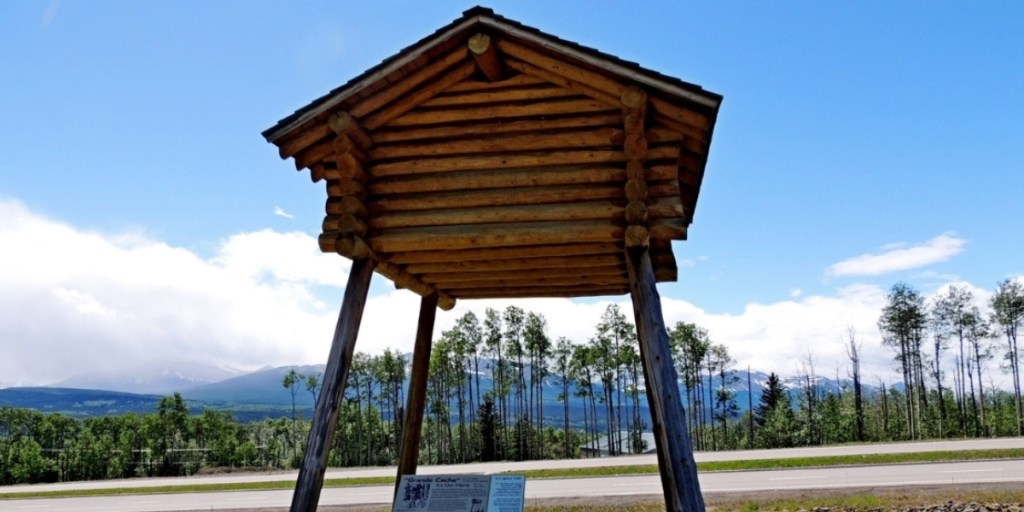
A small-scale replica of Giasson’s fur cache at the Grande Cache Tourism and Interpretive Centre.
Against all odds, Giasson was able to construct a fur cache and protect a massive haul of furs. Because of this, Giasson’s fur cache came to be known as the “grande cache.”
As you have probably guessed, the Grande Cache we know today was named after Giasson’s famous fur cache. The specific location of his cache is unknown, but we know it was built along the banks of the Sulphur River at Victor Lake.
While Grande Cache owes its origin to a small fur cache at Victor Lake, it has grown into something much larger since then.
“Just as lgnace Giasson had to deal with adversity when he constructed his now famous fur cache, our town has had to deal with adversity, and this has led to our legendary reputation for survival,” wrote author James G. MacGregor in his book “Pack Saddles to Tete Jaune Cache.”
If you want to see Giasson’s famous grande cache for yourself, you can see a replica at the Grande Cache Tourism and Interpretive Centre. If fur caches aren’t your thing, the centre has something for everyone.
We spent about an hour at the Grande Cache Tourism and Interpretive Centre.
“No animal on earth has touched so directly and profoundly the lives of so many human beings.
For all of history and all over the globe she has
been a nuisance, a pain, and an angel of death.
Mosquitoes have felled great leaders, decimated armies, and decided the fates of nations. All this, and she is roughly the size and weight of a grape seed.”
—Andrew Spielman[1]
“Mosquitoes troublesome. Mosquitoes quite troublesome. Mosquitoes extremely troublesome.” A few quotes from Meriweather Lewis, in his journal when co-leading the Corps of Discovery to the Pacific Ocean.
At White Bear Islands, Montana on 15 July 1806, Lewis groaned that:
“The mosquetoes continue to infest us in such manner that we can scarcely exist; for my own part I am confined by them to my bier at least 3/4ths of my time. My dog even howls with the torture he experiences from them. They are almost insupportable, they are so numerous that we frequently get them in our throats as we breath.”
We try as hard as we can, by quickly dashing into or out of the Airstream, but they still get inside. Karen’s combat weapon of choice is the fly swatter; I prefer the small hand held vacuum.
Outside, you need thick clothes, a hat, and a spritz or two, or three, or four of 100% DEET, to help keep the pesky little critters at bay. Most of them at bay, that is. There are still some ambitious ones that will get ya.
They seem especially fond of the insteps of our feet, somehow finding a way to find me THROUGH my socks. My insteps have about 30 welts.
They come in small, medium and large sizes, but the most prevalent so far seem to be the little ones.
Karen asked “What are all of them eating, if they are not eating us?” One of many ponderous questions that will require further research.
As Allen and I were talking at cocktail hour, he asked if I had seen the fresh oysters at the Real Canada Store where we had stopped for supplies here in Grand Prairie. I said I did not, but I had seen them in the store we shopped at 9 days ago.
He said “Some BBQ oysters would have been a great first meal”. ONE MINUTE LATER, I was unhitching the Airstream and the two of us were off to get some fresh oysters, just 15 minutes from the RV park campsite.
Upon our return, Karen added a fresh zucchini, mushroom, onion and tomato stir fry, Kerri brought over some spinach ravioli, some red and white wine, sliced toasted baguette with butter and garlic……
On the drive to get oysters, Allen said, “This trip is going to be just like when we were in our twenties – spontaneous – not like our planned and scheduled (and responsible) thirties, fourties’, fifties and sixties. We are going to be like our younger selves!”

Life is good.
Namaste
With Allen and Kerri, and Starlink. Standby for more, it is cocktail hour…..
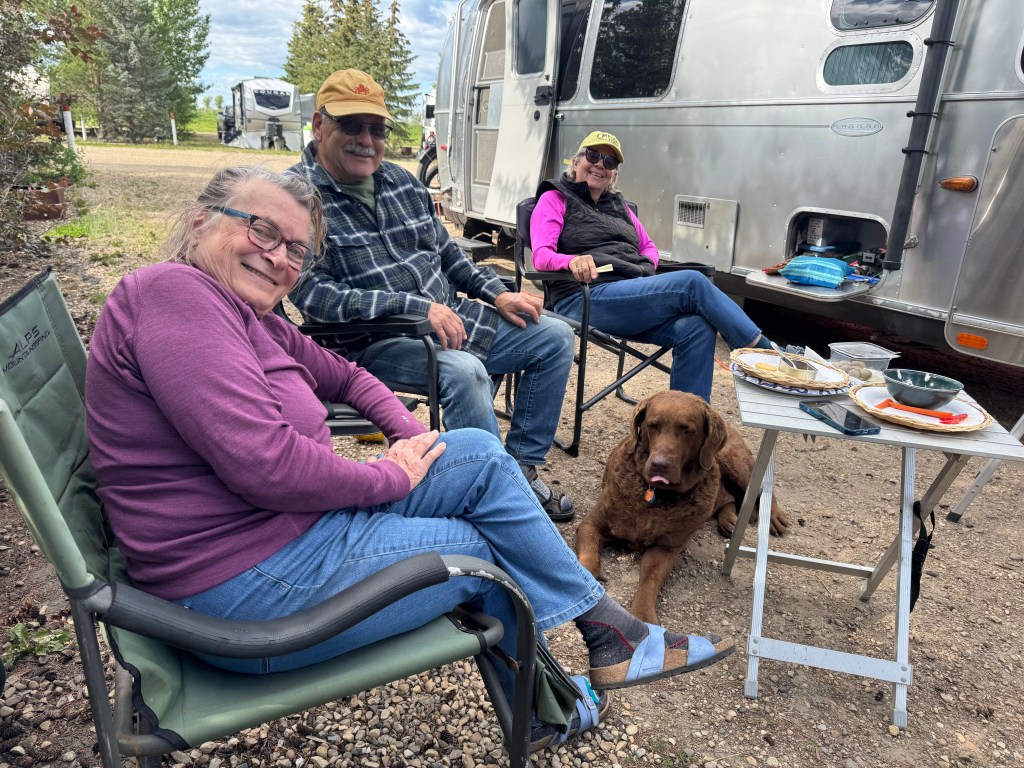
Just a few teasers before I get to WiFi.
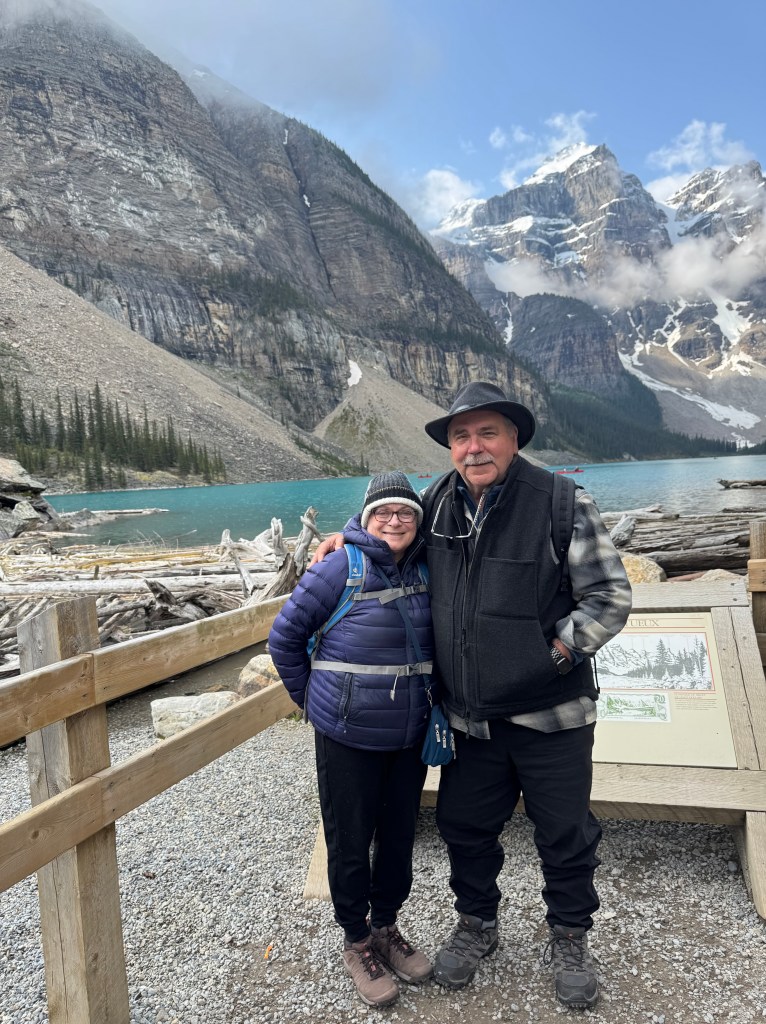


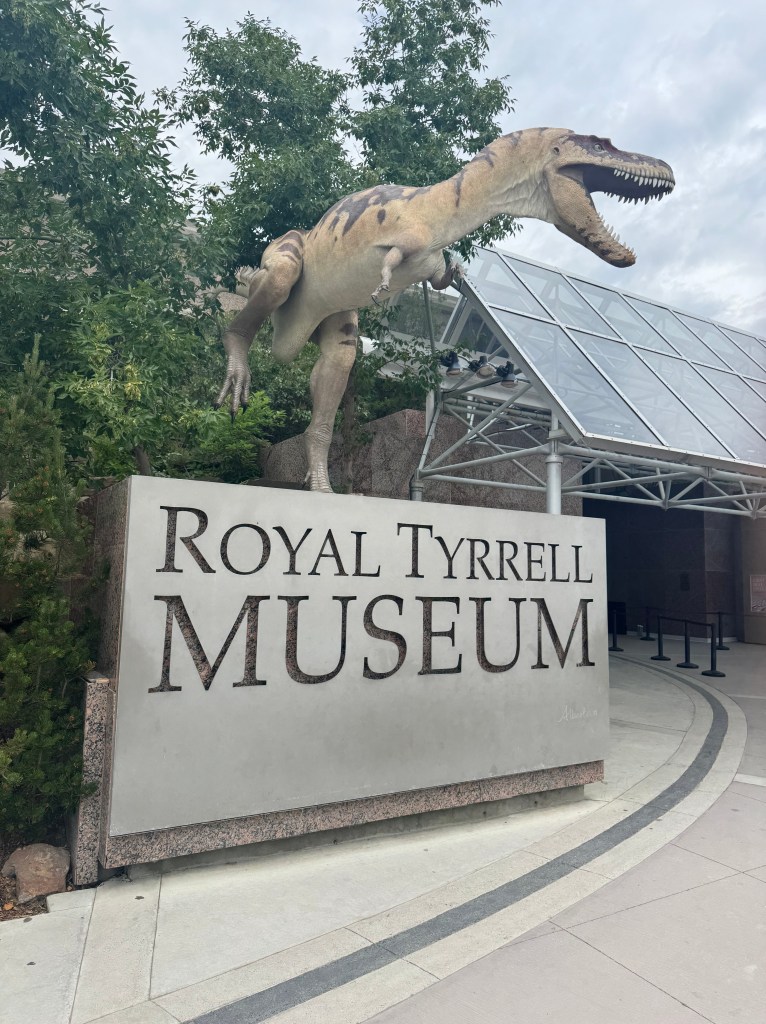
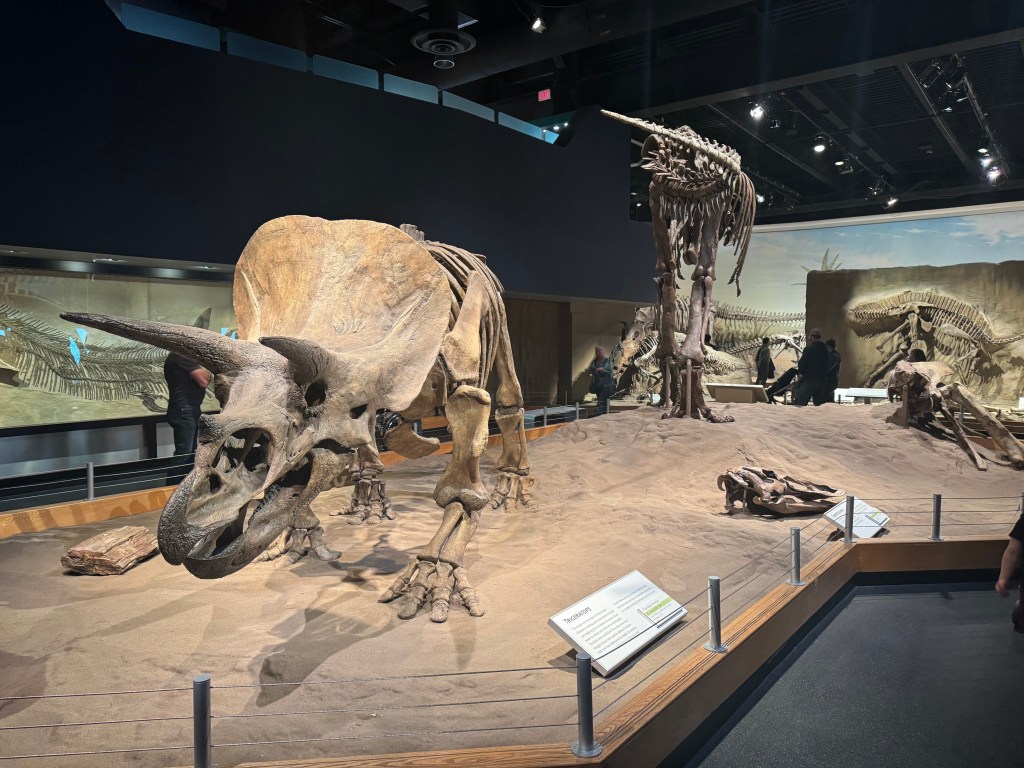

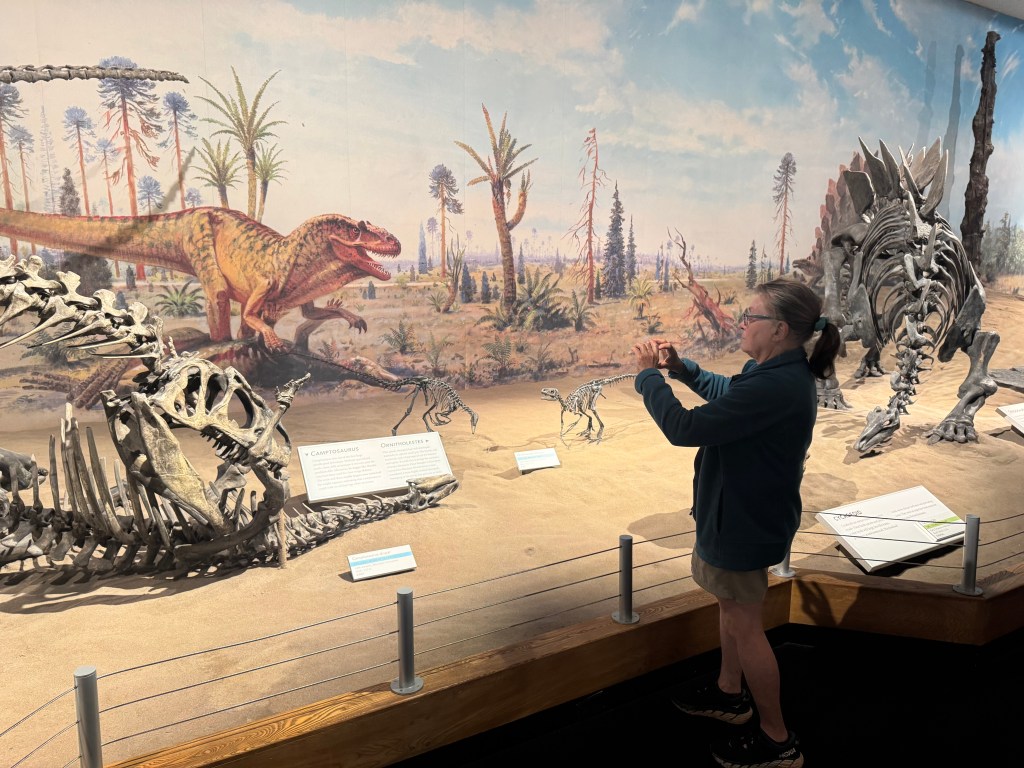
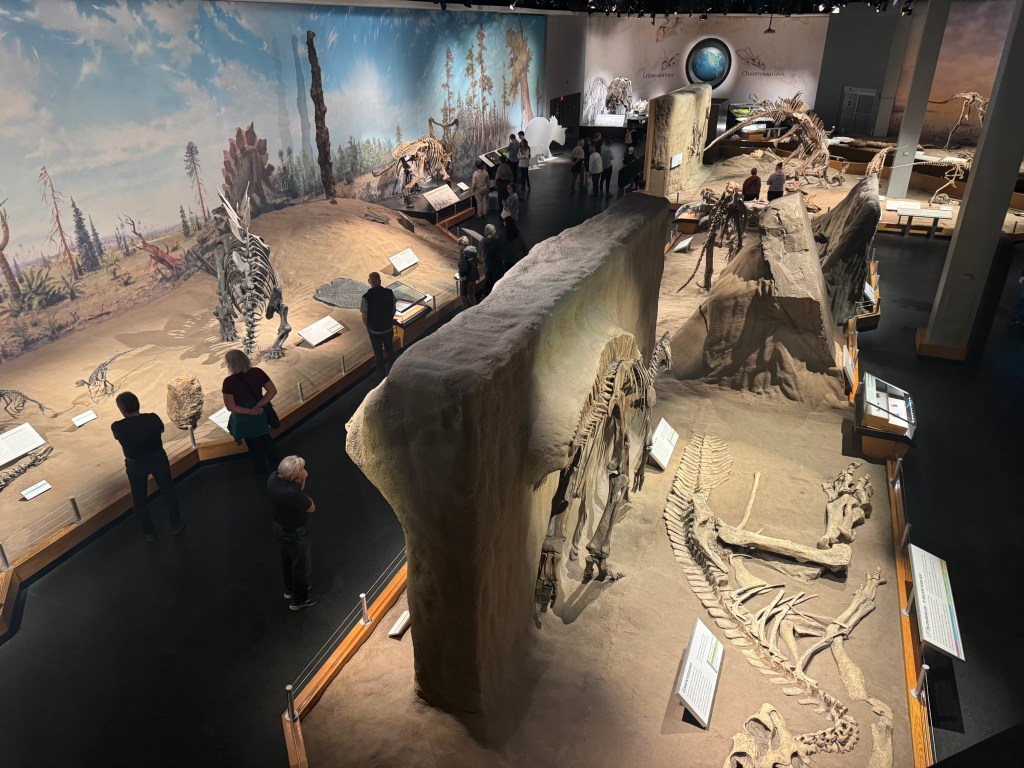
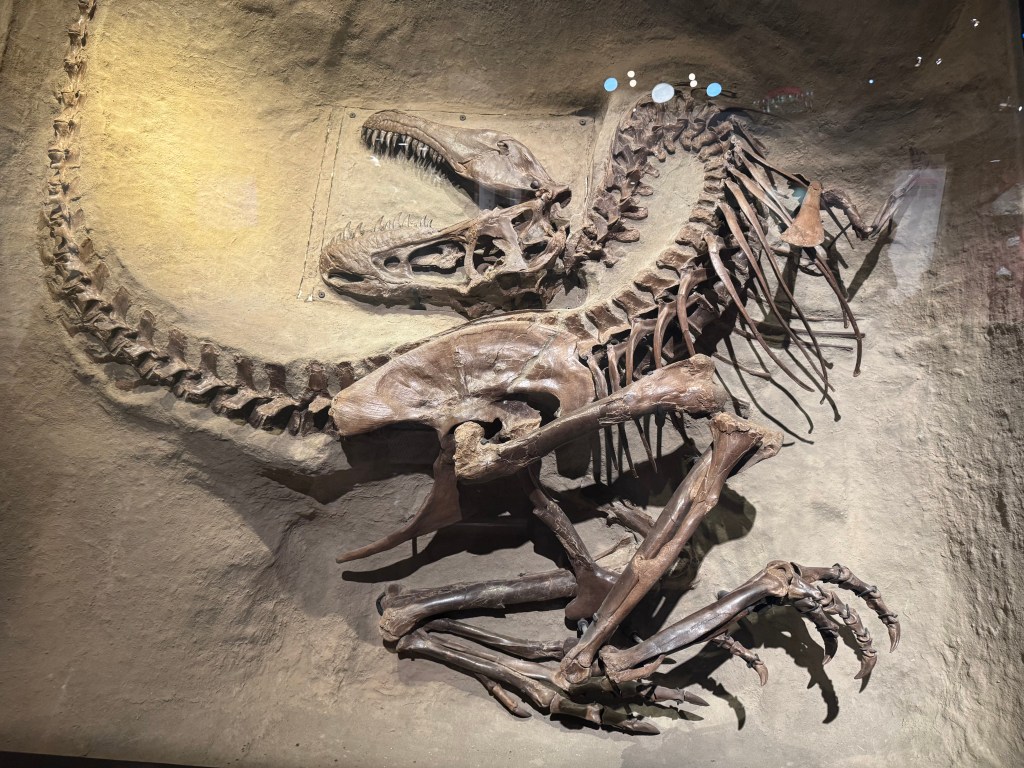
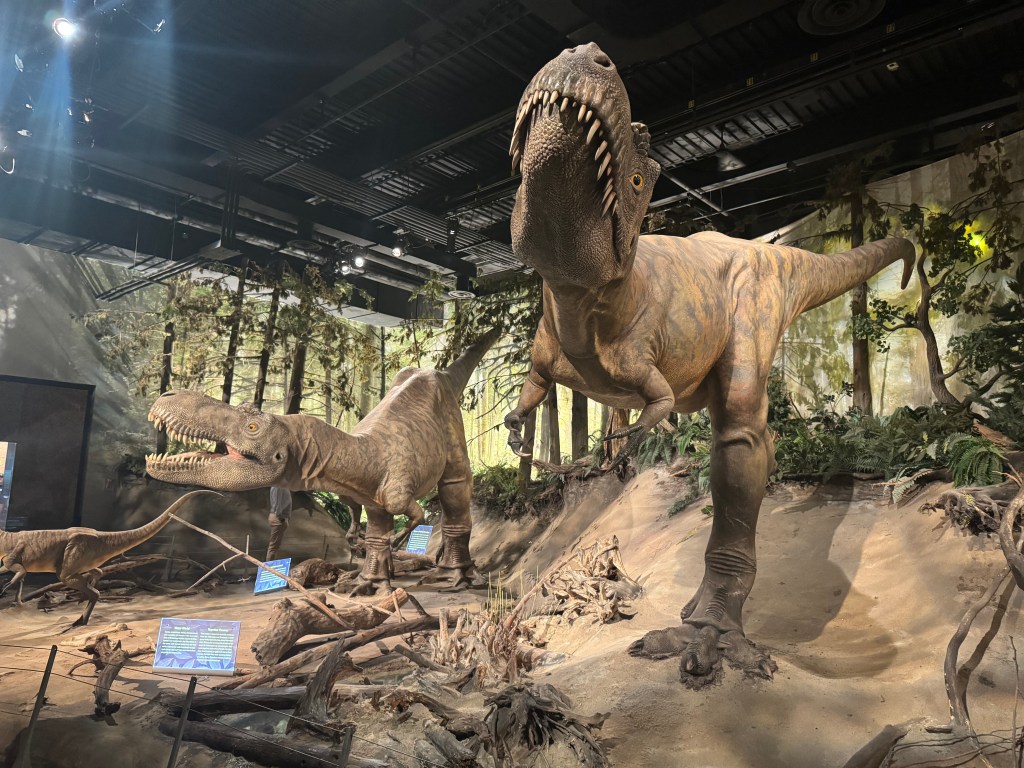

Have used 4GB of my 5GD high speed data – posting pics burns data. App is laborious and slow. Will not upload additional pics for 6 more days until we have WiFi. Currently camped in middle of nowhere but do have cell service. Need data for mapping.
Namaste.
Software is terribly quirky. Have lost two posts that I spent over 30 minutes composing, editing and preparing.
Finally getting all of the stuff in the truck and the Airstream in the right places. We are both feeling very comfortable about our preparation and organization. Drove 90 miles north to Calgary and took the bypass east, then north of downtown. Stopped at a food store unlike anything I have ever shopped in. They had everything- live lobster, 5 varieties of live oysters, and two aisles of ethnic food that were 150’ long. It was impressive. You could find food to satisfy any race, religion, political or sexual preference.

Landscape was flat to rolling hills and all agricultural. Little irrigation and mostly what looked like wheat, barley and other grains.


From the web:
AI Overview
Southern Alberta, including the region south of Calgary, is a major agricultural hub in Canada known for a variety of products
.
Key Agricultural Products:
The town of Drumheller is dinosaur fanatic. There are statues, recreations, likenesses of dinosaurs all over town – some monstrous in size – and many are painted in vibrant colors. I will make an effort to develop a post tomorrow. The brightly colored ones would be interesting to photograph.
Will also be posting pics of meal time. This is not hot dogs and canned beans camping…..
Reminds me of my safari in Africa. Somebody forgot the corkscrew and for several days we had to live on nothing but food and water. W. C. Fields
Like all great travellers, I have seen more than I remember, and remember more than I have seen. Benjamin Disraeli
If all difficulties were known at the outset of a long journey, most of us would never start out at all. Dan Rather
To travel is to take a journey into yourself. Danny Kaye
 abackpackandadaysack
You must be logged in to post a comment.