Don’t Mess With Perfect

On New Year’s eve 2014-15 I was in Luang Prabang making my second visit.  After two days in a long boat motoring down the Mekong in northern Lao, I returned with the trepidation of finding my second visit less intoxicating than the first.  Luckily, my second visit equalled and in many ways surpassed the first.

That evening I was searching the web for information on Luang Prabang and came across an essay in Outside Magazine that was written by Elizabeth Gilbert, the author of “Eat, Pray, Love”and “Committed”.

As laid in bed and read the essay, I was grateful I had returned.  I could still easily return for a third visit.

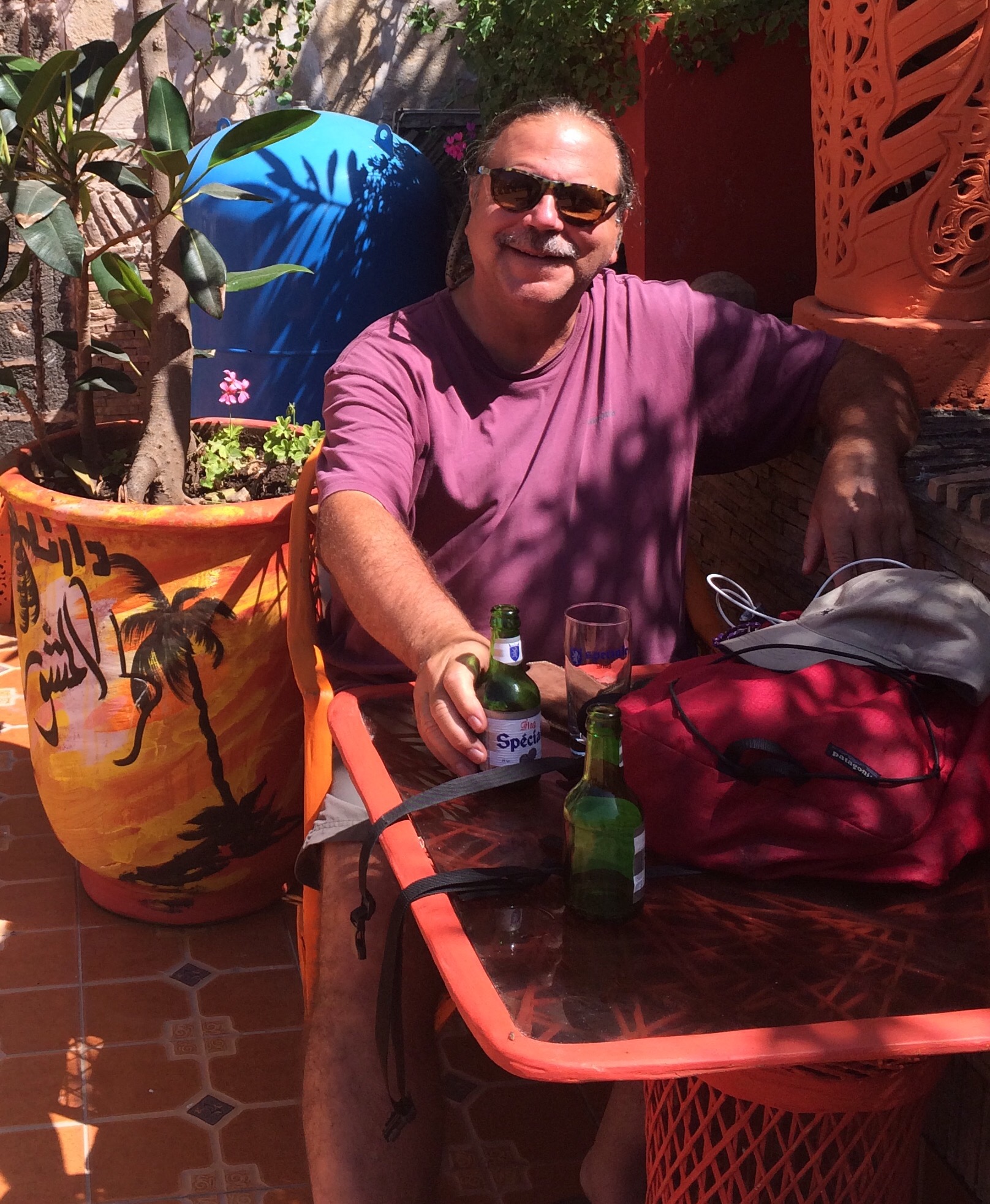
Tonight, my last night in Essaouira, I wondered if I will ever return.  It is a perfect place with the beach, ocean, sun, wind and many, many friendly people.  I was told there would be music tonight in a small cafe in the medina and upon my return at 6:30 PM I was dissapointed with no music.  So I walked the streets one last time, returning to the restaurant where for the last three days I drank my afternoon beer.  I was greeted with a smile and a strong handshake.  Later, as the sun set, I walked the streets of the medina one last time, reveling in the beauty and serenity of Essaouira.

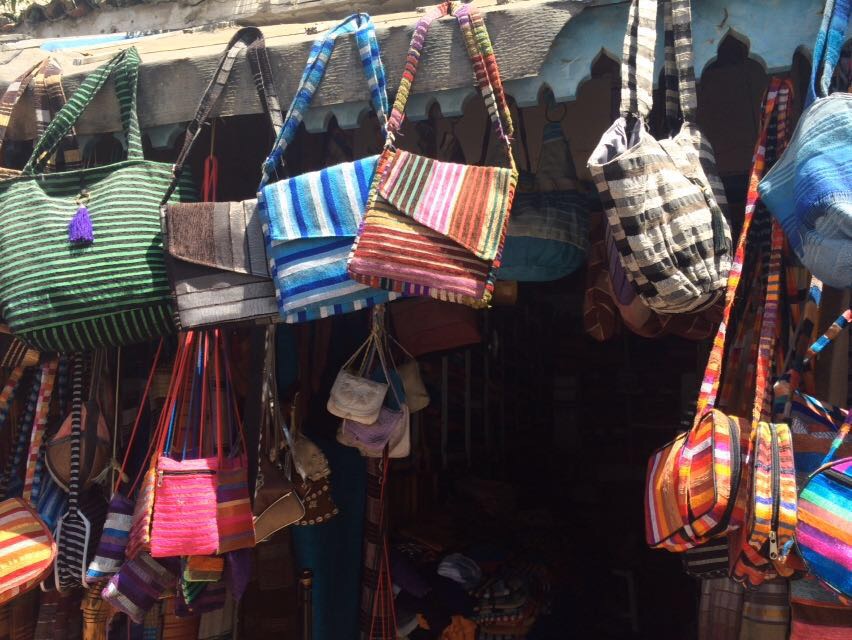
Shop keepers waved and said hello, inviting me with smiles into their leather bag stores, making one last unsucessful attempt to sell me another bag.  We then laughed about our back and forth bargaining over the last three days and took pictures together, shook hands and said goodbye.  I told them I would return, inshallah.

Essaouira is a perfect place.

http://www.outsideonline.com/1914516/dont-mess-perfect

Another Old Theme


He smiled with a missing tooth grin and offered his hand to shake.  When I reached forward he suddenly grabbed my hand and pulled me with strength and control closer to him.  

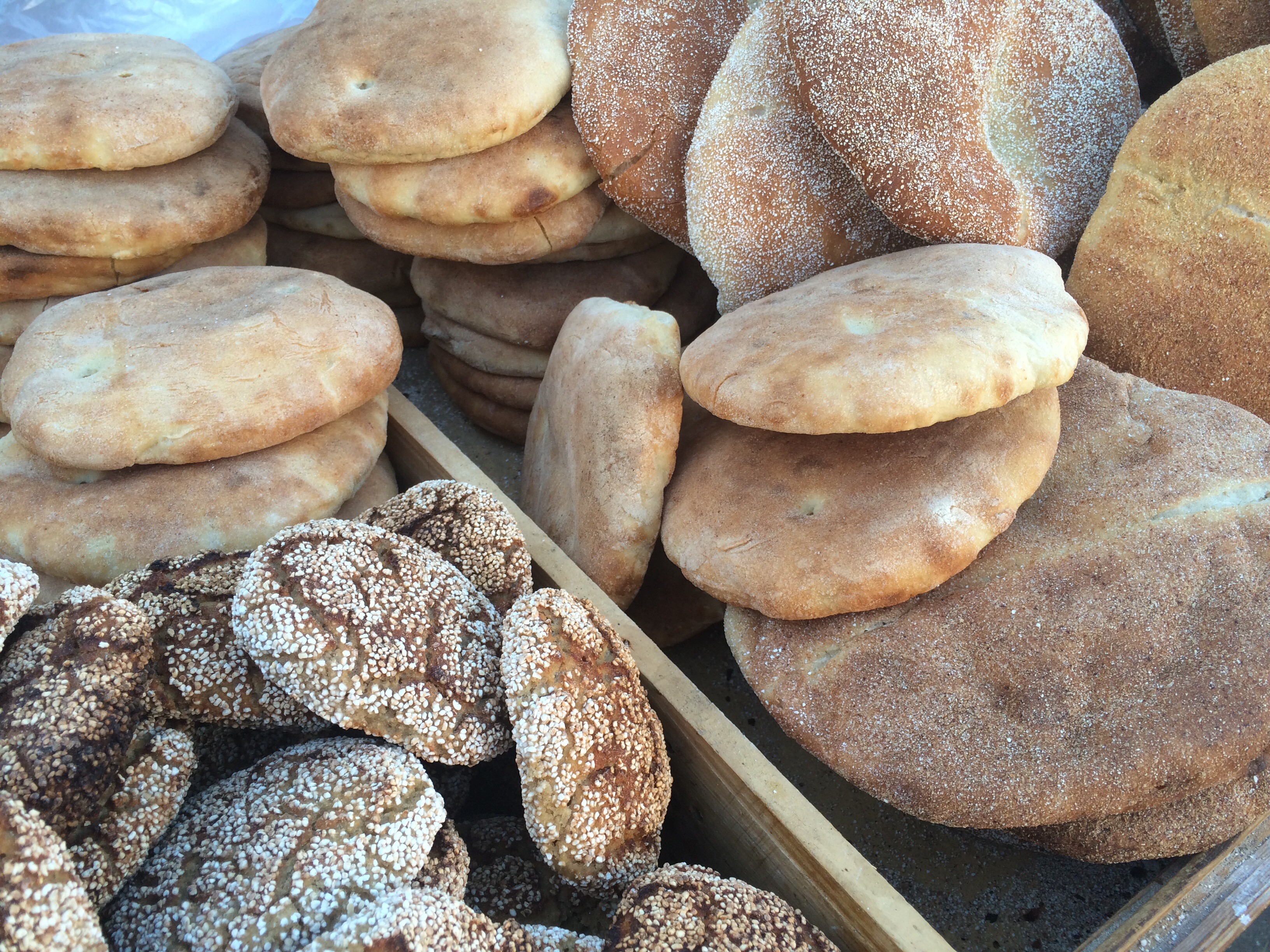
With his other hand he pressed a warm round of bread lightly against my bare arm to let me know it was fresh from the oven.

An Old Theme

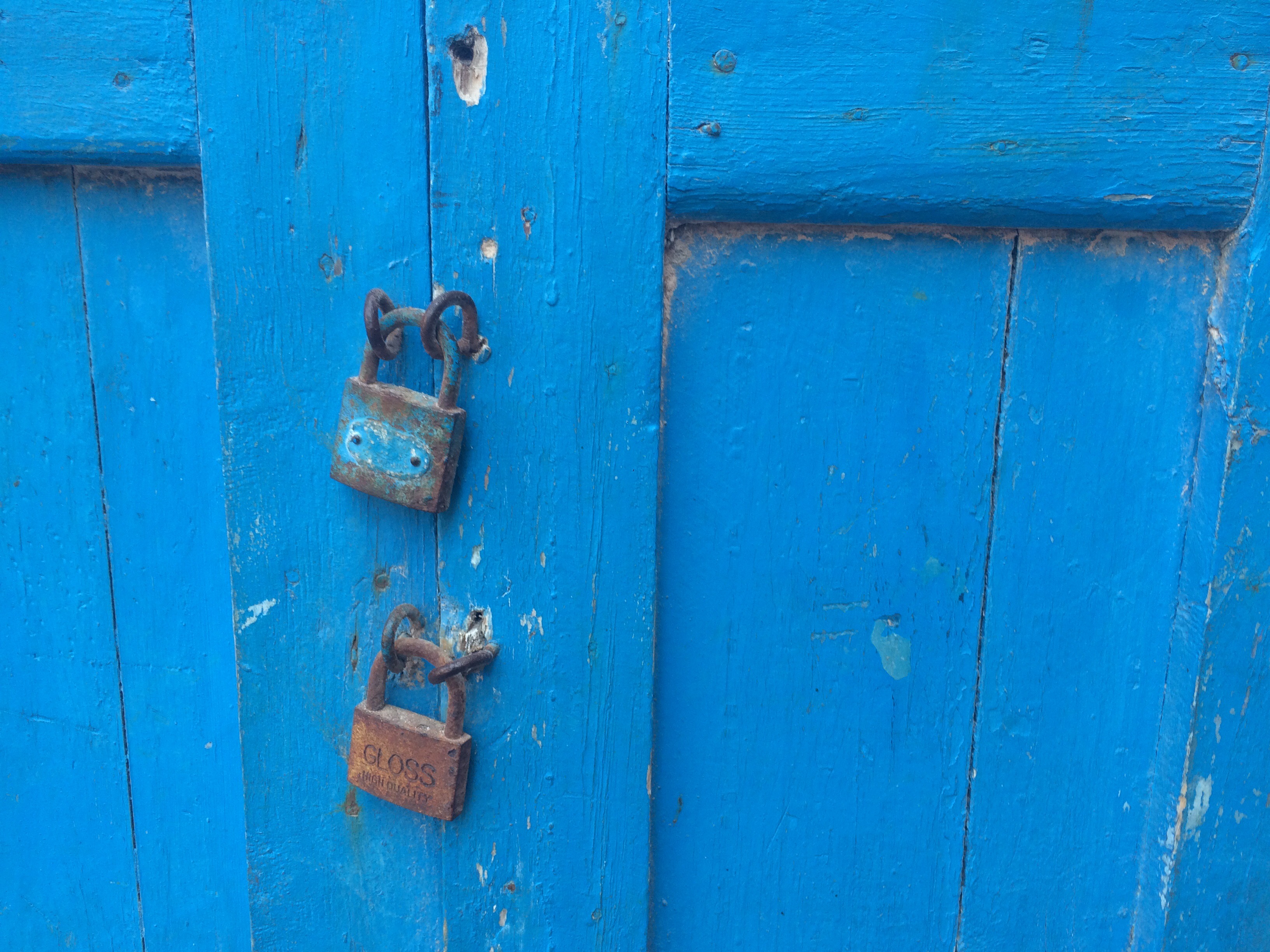
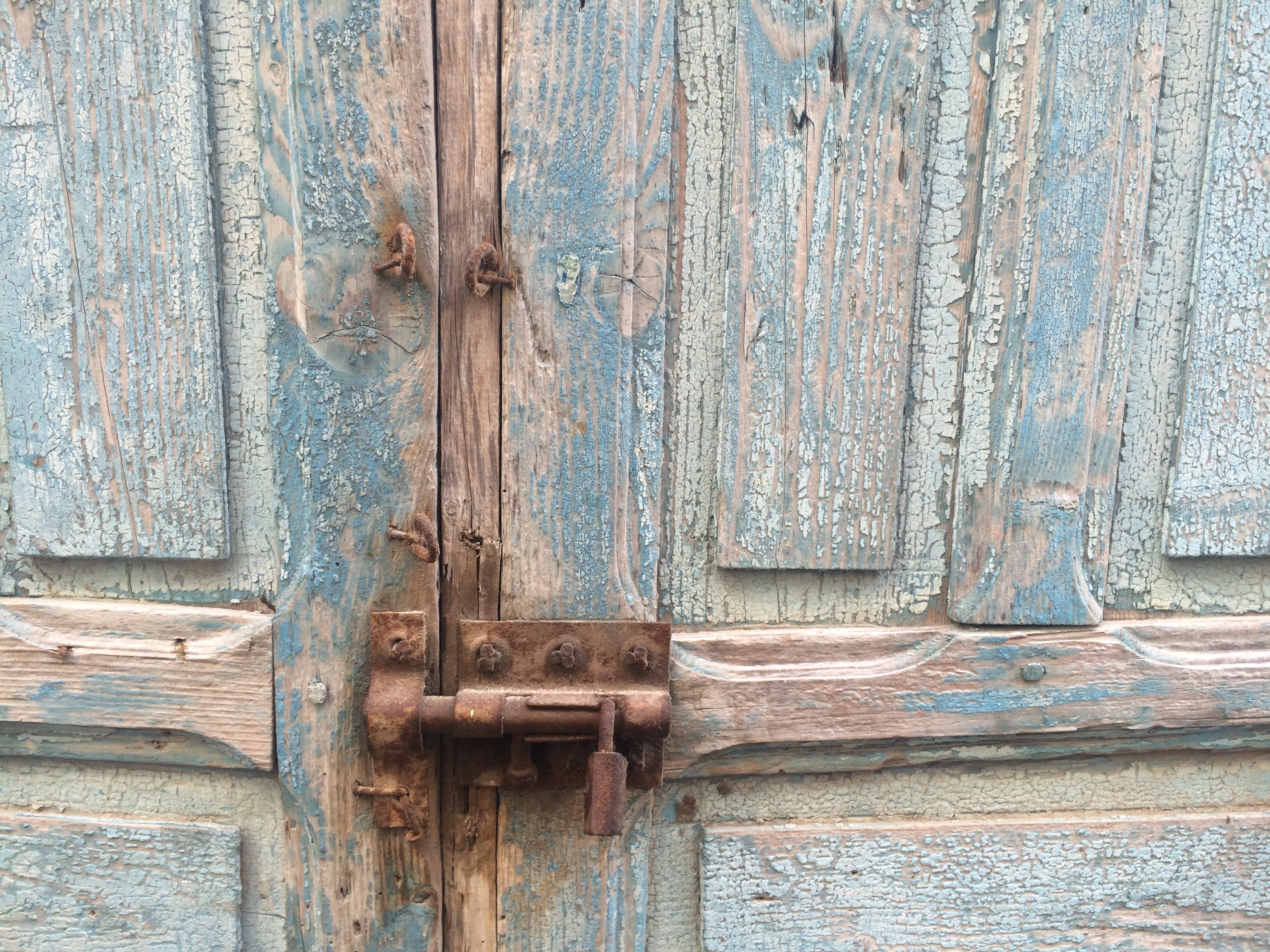
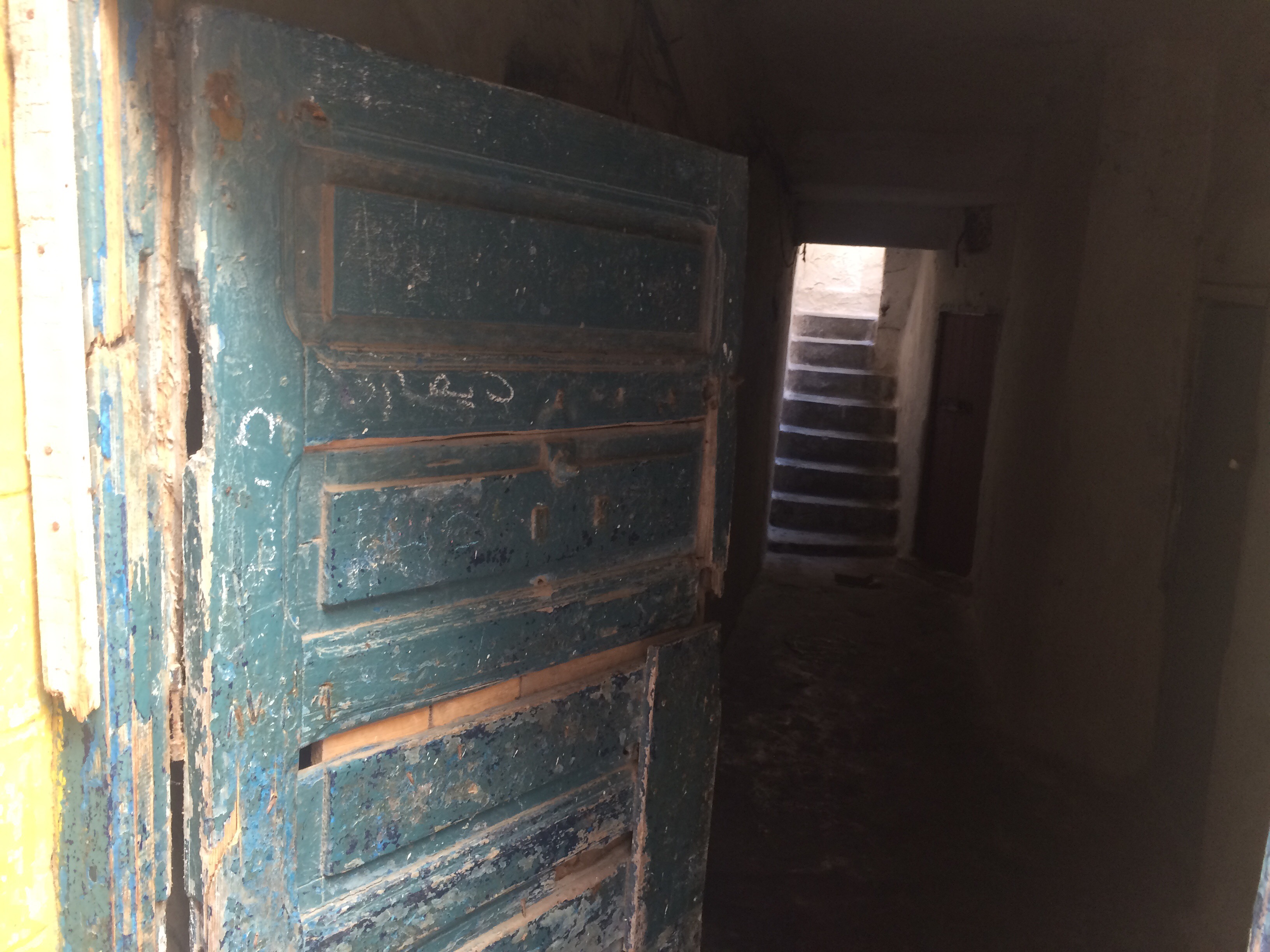
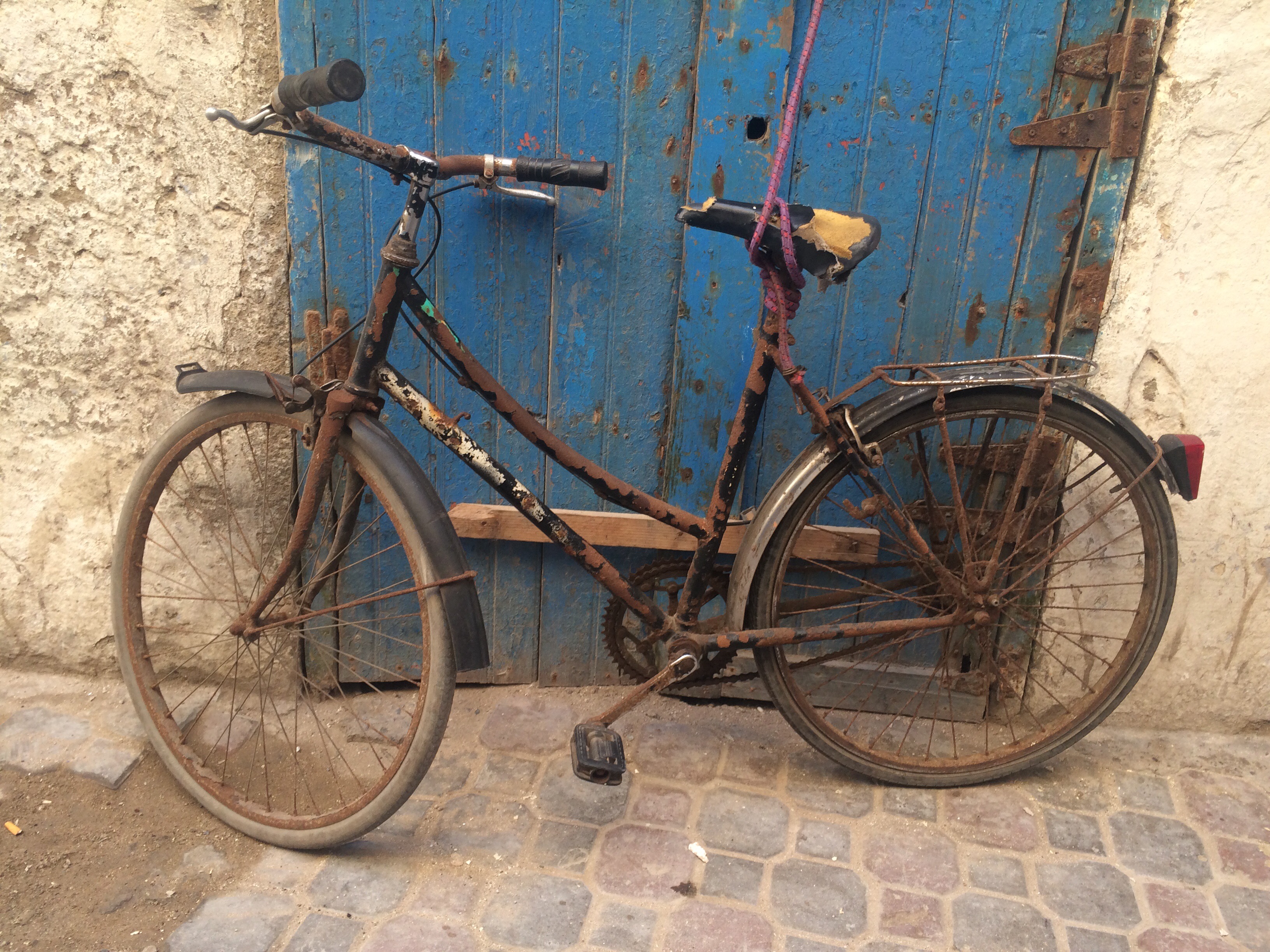
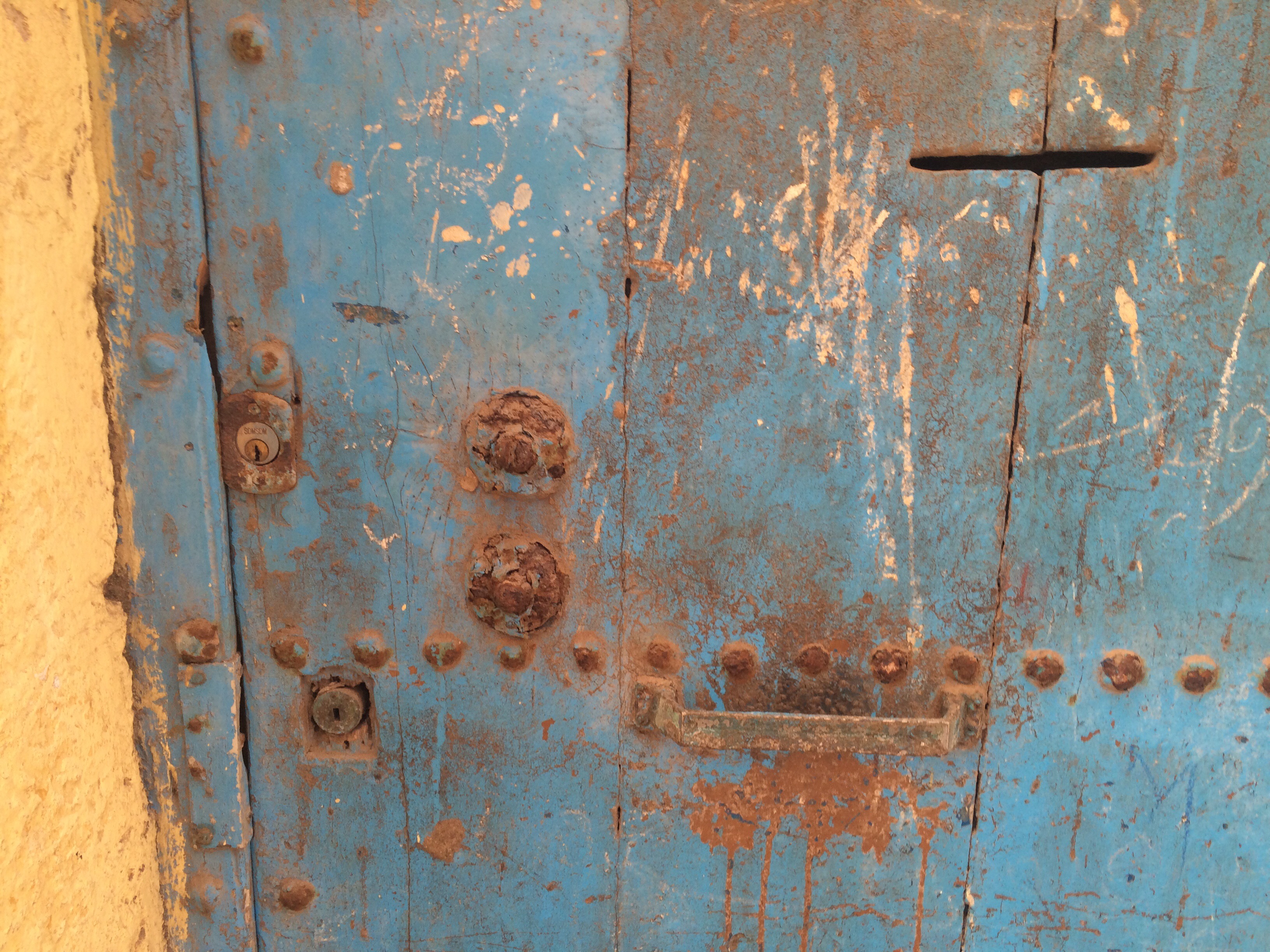
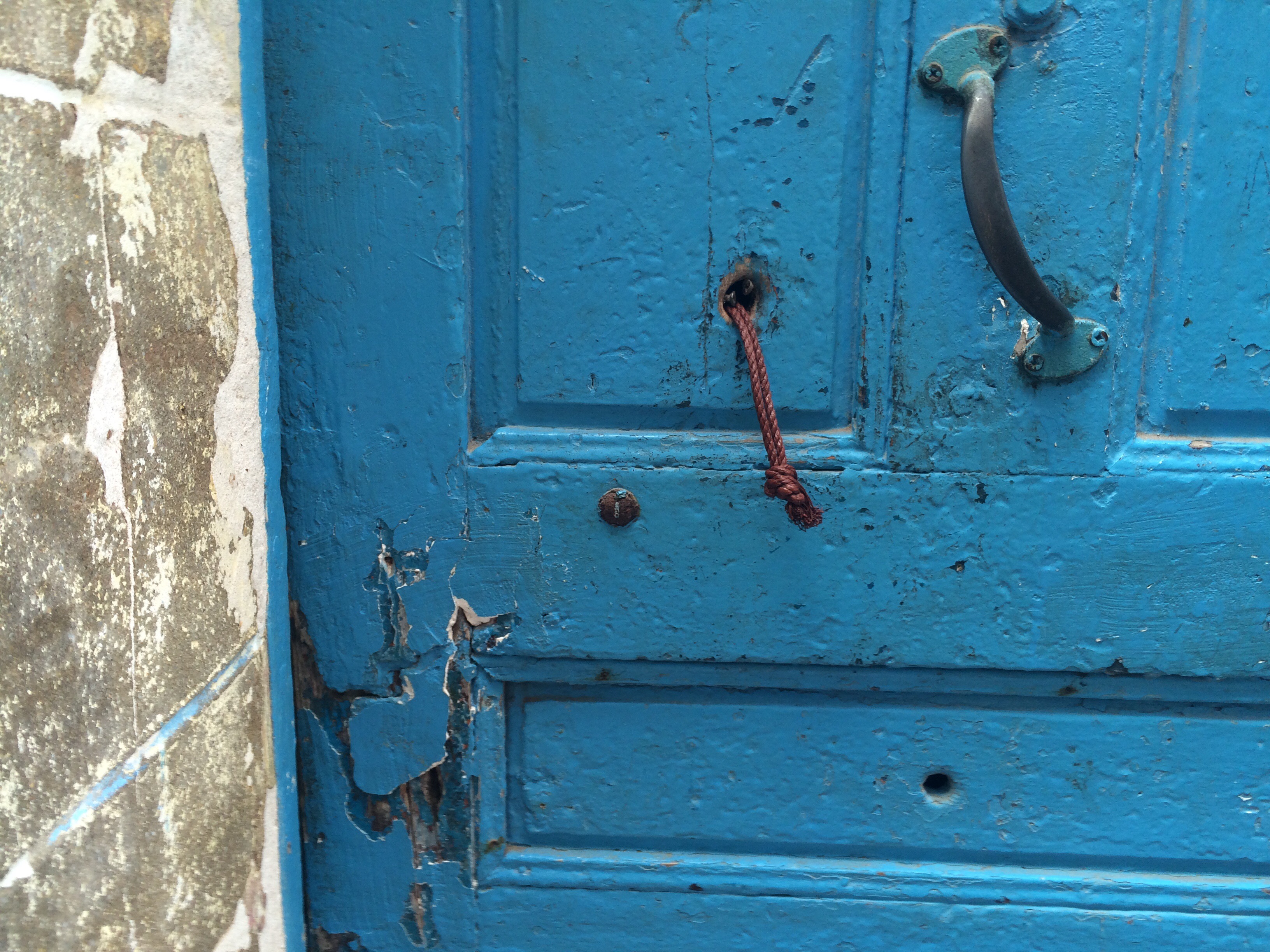
You might remember that I have a passion for photographing old doors, windows and walls.  I often wonder what is on the other side.  


The early morning light was good so I took pics for ten minutes as I walked around the medina in Essaouira this AM.  If you viewed this page, please leave a comment.

Runnin’ Blue

After 40 days of walkabout, I am currently experiencing my first case of ‘Traveler’s Stomach.’


Runnin’ Blue

Poor Otis dead and gone, Left me here to sing his song
Pretty little girl with the red dress on
Poor Otis dead and gone
Yeah, back down, turn around slowly
Try it again, remembering when
It was easy, try it again
Much to easy, rememberin’ when
All right, look at my shoes, Not quite the walkin’ blues
Don’t fight, too much to lose, Can’t fight the runnin’ blues
Well, I’ve got the runnin’ blues
Runnin’ away, back to L.A.
Got to find the dock of the bay
Maybe find it back in L.A.
Runnin’ scared, runnin’ blue
Goin’ so fast, what’ll I do
Well, I’ve got the runnin’ blues
Runnin’ away, back to L.A.
Got to find the dock of the bay
Maybe find it back in L.A.
All right, look at my shoes
Not quite the walkin’ blues
Don’t fight, too much to lose
Can’t fight the runnin’ blues
All right, look at my shoes
Not quite the walkin’ blues
Don’t fight, too much to lose
Can’t fight the runnin’ blues

The Doors


Now off to the medina.  I’m going shopping for purses!!


Ramadan

From the web:

As Ramadan begins Sunday June 5, at the sighting of the moon, most muslims will assume a religious fasting schedule starting on Monday at dawn. What are the Ramadan fasting rules? Why do Muslims fast? How can non-Muslims participate? We won’t go into detail on what Muslims eat during Ramadan, which are usually traditional dishes especially those that include dates. There aren’t many restrictions on what to eat so much as when to eat. Ramadan occurs 11 days earlier each year, cycling through Gregorian (modern, Western) calendar over time. As you’ll see below, the astronomy and geography of Ramadan varies; Muslims have to fast longer depending on where they live and what time of year it is.

What are the Ramadan fasting rules?

The most basic tenant of the Ramadan fast is not eating or drinking (even water) between dawn and evening, according to local sunrise and sunset times. Landing in early summer, Ramadan 2016 will involve long fasts for American and other Muslims in the Northern Hemisphere. Near the Arctic Circle, for example, the fast will last around 22 hours. In Australia, in the Southern Hemisphere, the fast will last around 12 hours. Some Muslim-majority countries ban eating and drinking in public for all residents, even non-muslims and most restaurants are closed during daylight hours.

Daytime fasting during Ramadan has an ascetic quality. Muslims basically go about their normal routine, including work school and social functions. However, observers of Ramadan are expected to “abstain from food, drink and other sensual pleasures,” according to the Council on Islamic American Relations (CAIR). Sensual pleasures include sexual intercourse. Some say that kissing is okay. While already banned or discouraged in Islam, extramarital sex, smoking and drinking are even more discouraged during Ramadan. Minor indulgences such as lying require a small penance. Major offenses — day sex, eating, drinking — require a major penance such as additional fasting or feeding poor people.

Fasting is only required for people who are physically able to do so. The elderly, sick and mentally ill are all exempt. Pregnant, nursing and menstruating women are also exempt from fasting rules.

Why do Muslims fast?

While some Ramadan rules are detailed in the Hadith (accounts of the prophet Muhammad’s life, the main gist can be found in the Qur’an.

“O you who believe! Fasting is prescribed for you as it was prescribed for those before you, that you may attain Taqwa [God-consciousness]. – The Qur’an, Al-Baqarah:183

“The fast is performed to learn discipline, self-restraint and generosity, while obeying God’s commandments,” according to CAIR. Like Catholics who fast for Lent, Muslims fast to get closer to God. Unlike Jewish fasting for Yom Kippur, Ramadan isn’t so much about atonement. Fasting is one of the five pillars of Islam, after (1) monotheism (2) daily prayer (3) charity and before (5) pilgrimage to Mecca. In many Muslim families, Ramadan is a time of togetherness, like the shared worship of a Christmas mass or the shared cooking and facetime of Thanksgiving.  

How can non-muslims participate?

Some non-muslims participate in fasting, especially if they live in a muslim country or have lots of Muslim friends. In Western countries where food and drink are flowing through the day during Ramadan throughout the day right under their hungry and thirsty mouths, non-muslims can support their muslim friends by not eating or drinking in front of them. Non-muslims are also often invited to Ramadan feasts. Ramadan isn’t all about abstinence. Post-sunset dinners during Ramadan can be decadent feasts. Called “iftar,” the fast-breaking meal is open to non-muslims. CAIR has urges local Muslim leaders to hold interfaith iftars and have put out a guide on how to do so.

I say:  Sounds OK, I need to loose weight.  But planning to head north so I can quickly escape to Spain if needed.
 

Ourazazate Revisited

The Ouarzazate area is a noted film-making location, with Morocco’s biggest studios inviting many international companies to work here. Films such as Lawrence of Arabia (1962), The Living Daylights (1987), The Last Temptation of Christ (1988), The Mummy (1999), Gladiator (2000), Kingdom of Heaven (2005), Kundun (1997), Legionnaire (1998), Hanna (2011), and Salmon Fishing in the Yemen (2011) were shot here, as was part of the TV series Game of Thrones


Read that Brad and Angelina have shot movies here, along with a host of other celebs.

U.S. State Department Message

Received this email message today:
Security Message for U.S. Citizens: EUROPE TRAVEL ALERT 

As part of the State Department’s continuous efforts to provide Americans traveling abroad with information about relevant events, we are alerting U.S. citizens to the risk of potential terrorist attacks throughout Europe, targeting major events, tourist sites, restaurants, commercial centers and transportation. The large number of tourists visiting Europe in the summer months will present greater targets for terrorists planning attacks in public locations, especially at large events. This Travel Alert expires August 31, 2016.

France will host the European Soccer Championship from June 10 – July 10. Euro Cup stadiums, fan zones, and unaffiliated entertainment venues broadcasting the tournaments in France and across Europe represent potential targets for terrorists, as do other large-scale sporting events and public gathering places throughout Europe. France has extended its state of emergency through July 26 to cover the period of the soccer championship, as well as the Tour de France cycling race which will be held from July 2 – 24.  

The Catholic Church’s World Youth Day event is expected to draw up to 2.5 million visitors to Krakow, Poland, between July 26 and July 31. U.S. citizens should be aware that local infrastructure may be strained due to the large number of visitors. Poland will impose border controls at all of its national borders from July 4 to August 2, and visitors to Poland during this period should be prepared to show their passport and undergo stricter security screening throughout Poland. More information to help prepare for travel to World Youth Day can be found at https://pl.usembassy.gov/world-youth-day-2016/ and https://travel.state.gov/content/passports/en/go/youthday.html.

U.S. citizens should: 

· Exercise vigilance when in public places or using mass transportation.

· Be aware of immediate surroundings and avoid crowded places.

· Follow the instructions of local authorities, especially in an emergency.

· Monitor media and local event information sources and factor updated information into your travel plans and activities.

· Be prepared for additional security screening and unexpected disruptions.  

· Stay in touch with your family, have a plan if you are separated and ensure they know how to reach you in the event of an emergency.

European authorities continue to take steps to assure public safety and disrupt terrorist plots. We work closely with our allies and will continue to share information with our European partners that will help identify and counter terrorist threats.

I say:  Oh well, more of the SOS. 

Please, stay safely on your sofa, watching CNN.

Down The Road

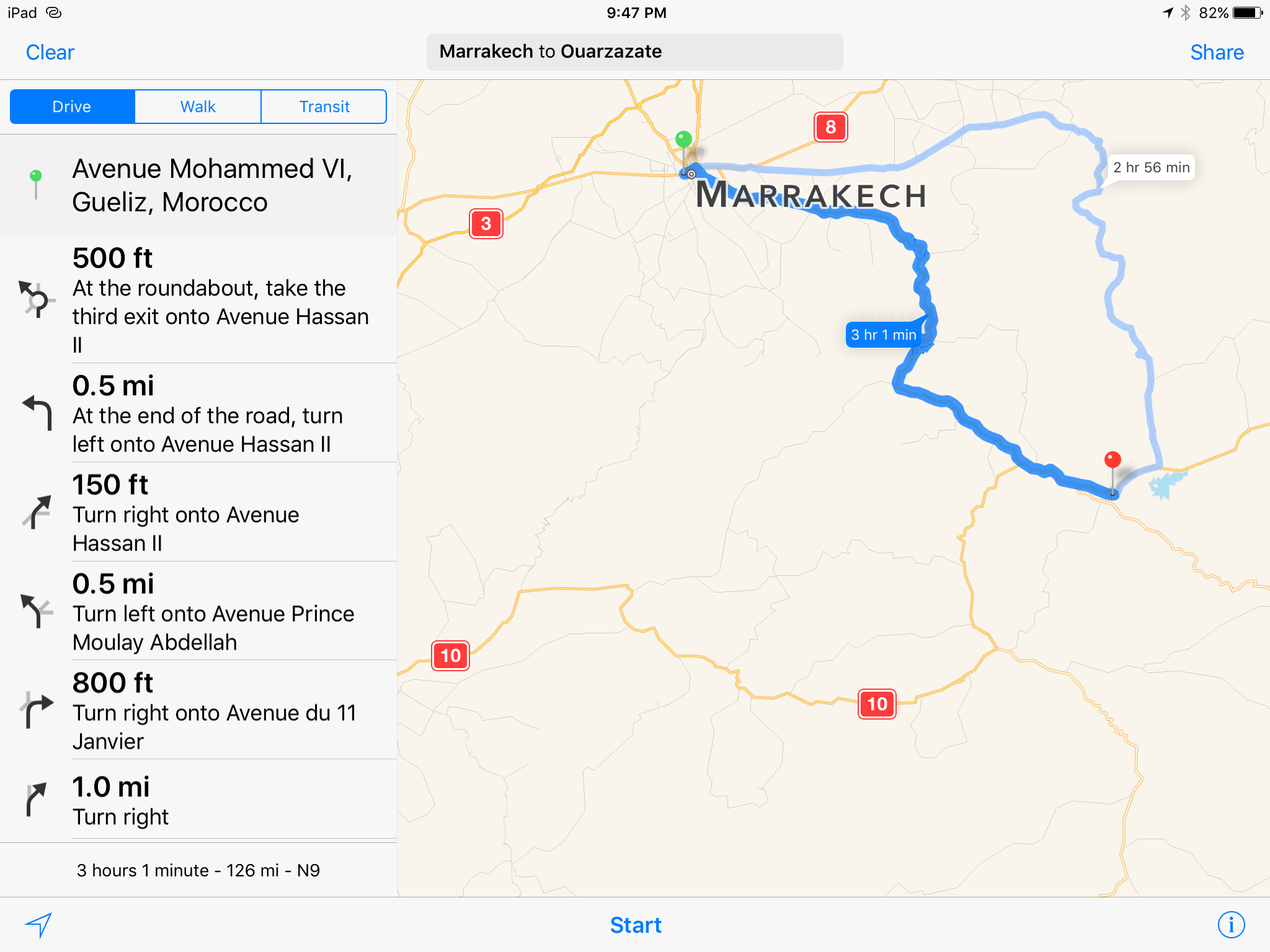
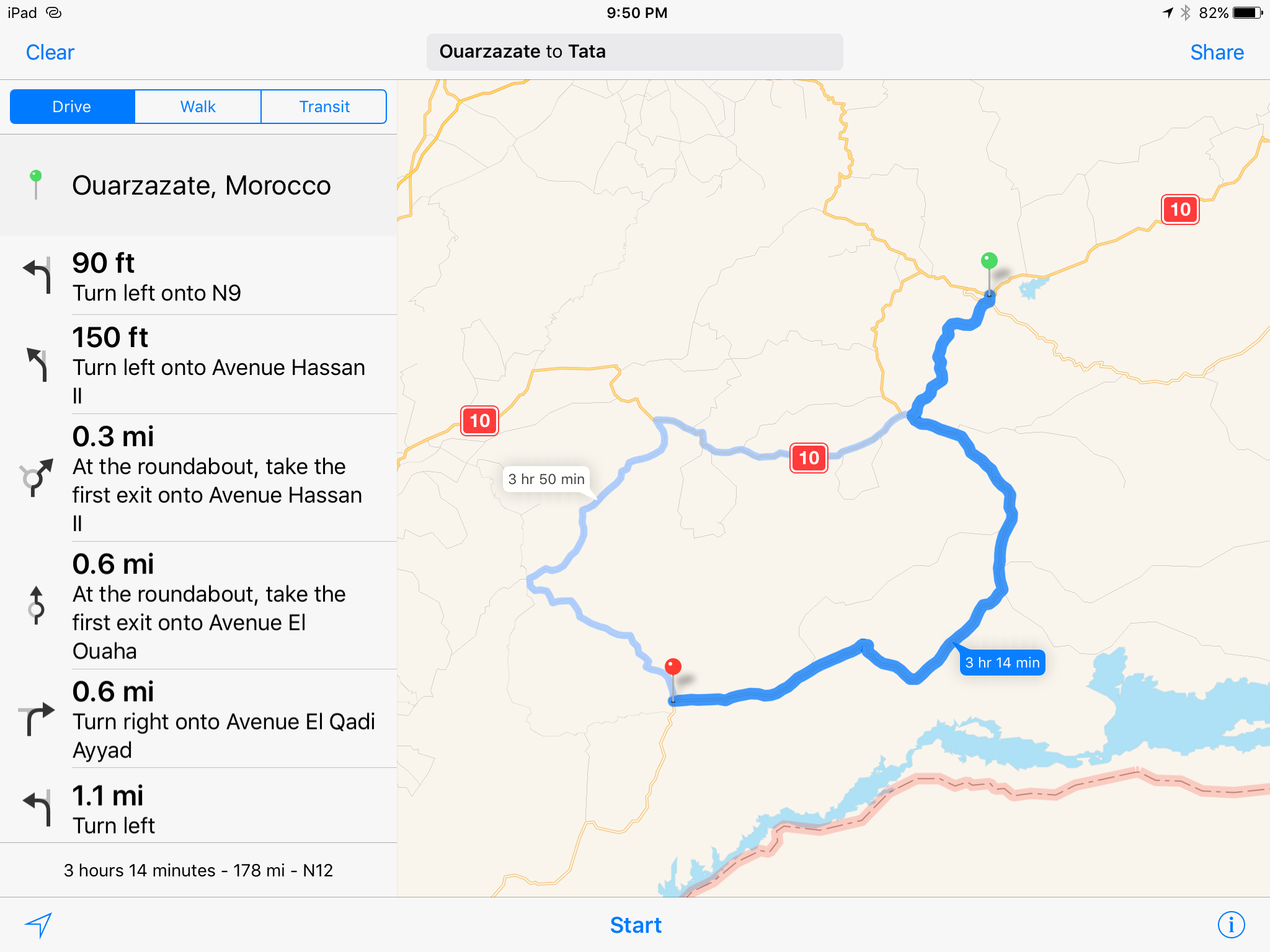
I left Tata early, around 6:30 AM.  

Wiki says, and it is accurate:

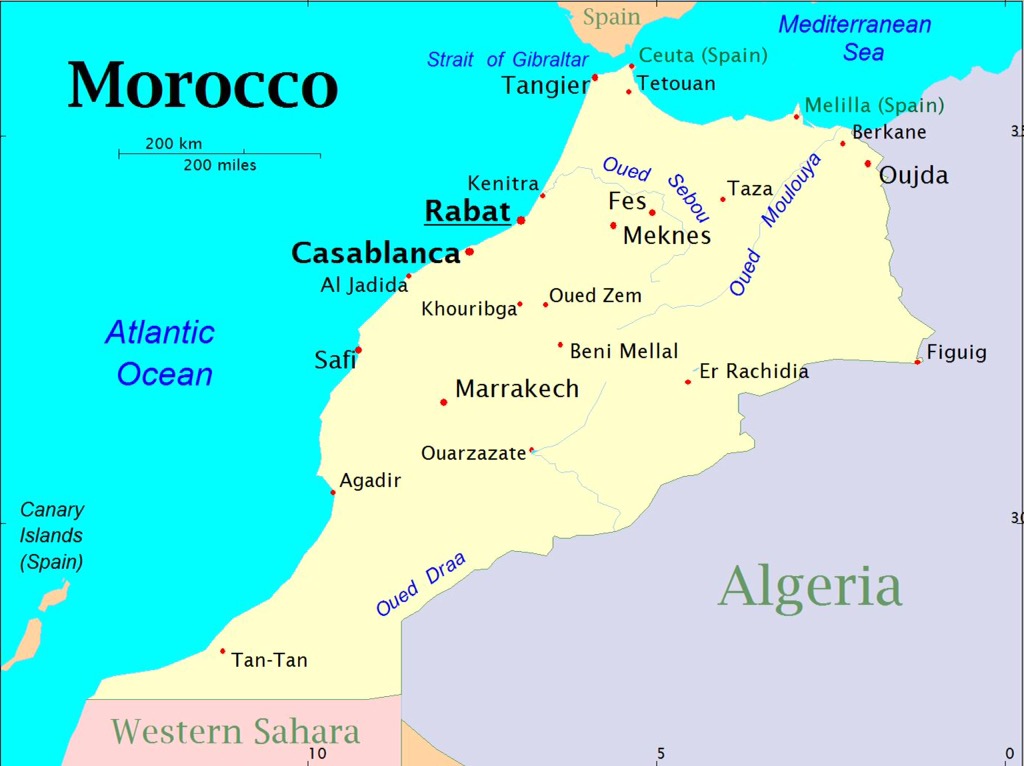
Tata (in Berber : ⵟⴰⵟⴰṬaṭa) is a town in south-western Morocco with a population of 15,192 according to the country’s 2004 census. It is the largest town in Tata Province.[1] It is situated on a desert plain of the Sahara Desert, southeast of Agadir and Taroudannt, close to the Algerian border and the mountain range Anti-Atlas at the foot of Jebel Bani. Tata lies on the N12 highway between to the north-east of the regional capital Guelmim and to the south of the neighboring region of Drâa-Tafilalet. It is also near to Algeria, although due to the remoteness of the area there is no border crossing.

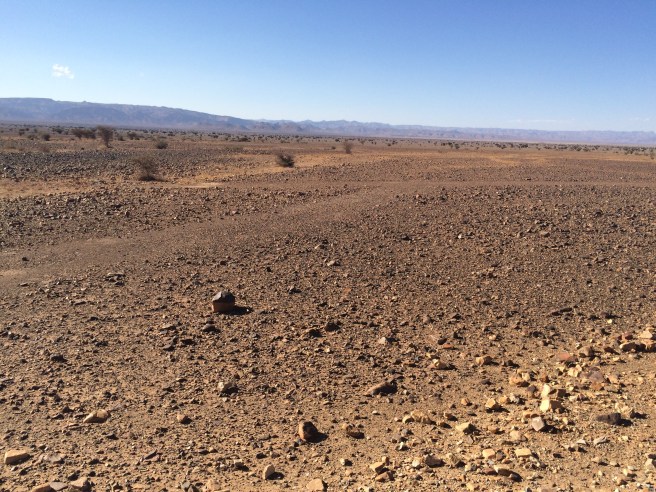
I say:  It is desert and it is remote.  Very remote.  Perfect, I say, versus the hustle and bustle of Casa and Marrakech.  In the occasional oasis towns I was more likely to see a woman walking alongside a donkey that was hauling alfalfa or olives than another vehicle.  No tour busses out here, not even the 4WD excursions for intrepid travelers.  Many wild burros or jackasses, once in a while I would see a herd of goats and a shepherd.  But mostly nothing.  

I thought about the dependability of the car, how much emergency cash I had, who and even if someome could repair the car out here. Even the most basic parts would be 100+ miles away.  

I sighed.  “I will make it safely, inshallah”.

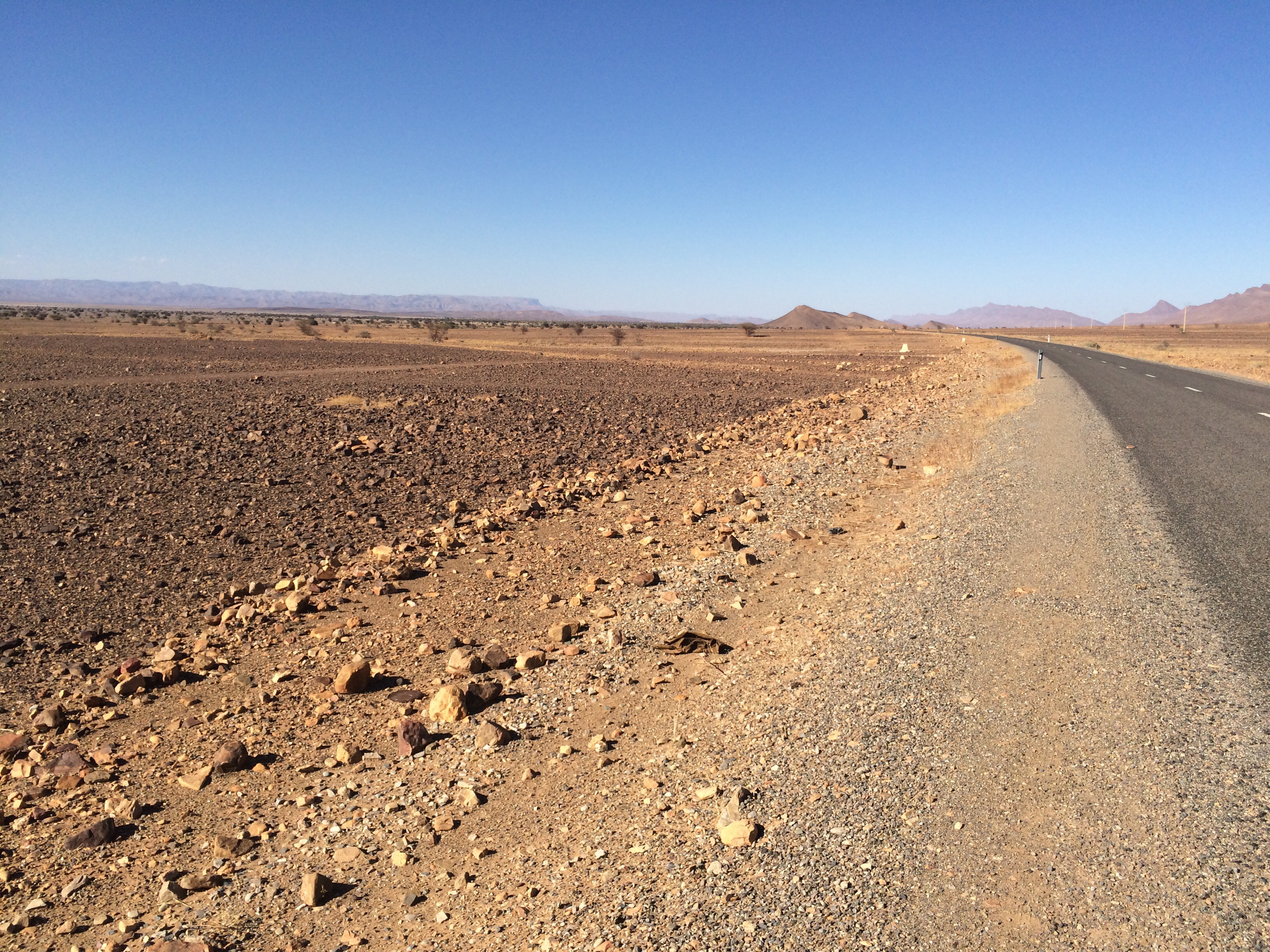
Nice road, usually, traveling about 50-60 MPH.  Then hairpin turns in mountains that required shifting into first gear.  Just desert and an occasional oasis.  But mostly it was wild, rocky desert with no one around except near the oasis. Otherwise, nobody.  There were times I did not encounter an oncoming vehicle for 30 minutes.

Ahead I saw a cloud of dust, then two moving animals.  Wild burros.  They were sparring, one dominating the other.  I slowed because if I hit one and damaged the rental car, I would be SOL in the middle of nowhere. No repair shops, no tow trucks.  Nothing but rock and a ribbon of a road.

The burros did not see me as I slowed to a stop.  One was chasing the other directly towards me.  They did not see me until they were 30 feet from my windshield.  Suddenly the one being chased skidded to a abrupt stop on the pavement and wheeled around to face the persurer.  Both were up on their hind legs as they jousted – biting, kicking.  One had numerous open wound bite marks on it’s neck and definately looked as though it had lost more than one battle.  

Further along I saw a wild camel, then another, but is was mostly wild burros.  And lots of rock.  There were places in the mountains where there were thousands of wild olive trees.  Palm trees filled the valleys where there was an oasis.  

With the ipod on shuffle and he cheap car stereo blasting, the following song popped up.  I replayed it four times, added it to my favorites playlist and continued to drive.

Well, It’s Down The Road I Go


And I got those worried

Lonesome homesick Jones

Way on down the road

Well, it’s down the road I go

Well, I got the blues

From way down in New Orleans

Way on down the road

And I got to be so far away

Oh, don’t you see

All our memories, dreams and reflections

That keep haunting me

Well, it’s down the road I go

And I hear those gypsy voices

Calling me way on down the road

Well, I got to be

So far away in my memory

Dreams and reflections come on

Keep on back haunting me

Well, it’s down the road I go

Well, I got the blues

From down in New Orleans

Way on down the road

Well, it’s down the road I go

Well, I’ve got the worried

Lonesome homesick Jones

Way on down the road

Way on down the road

Oh, down the road

Way on down the road baby come on

Way on down the road

Trying to find my way back home

Trying to find my way back home

Further on down the road

Trying to find my way back home

Further on down the road

Down the road of peace

Down the road of peace

Down the road of peace, baby

VAN MORRISON