A Man Named Omar

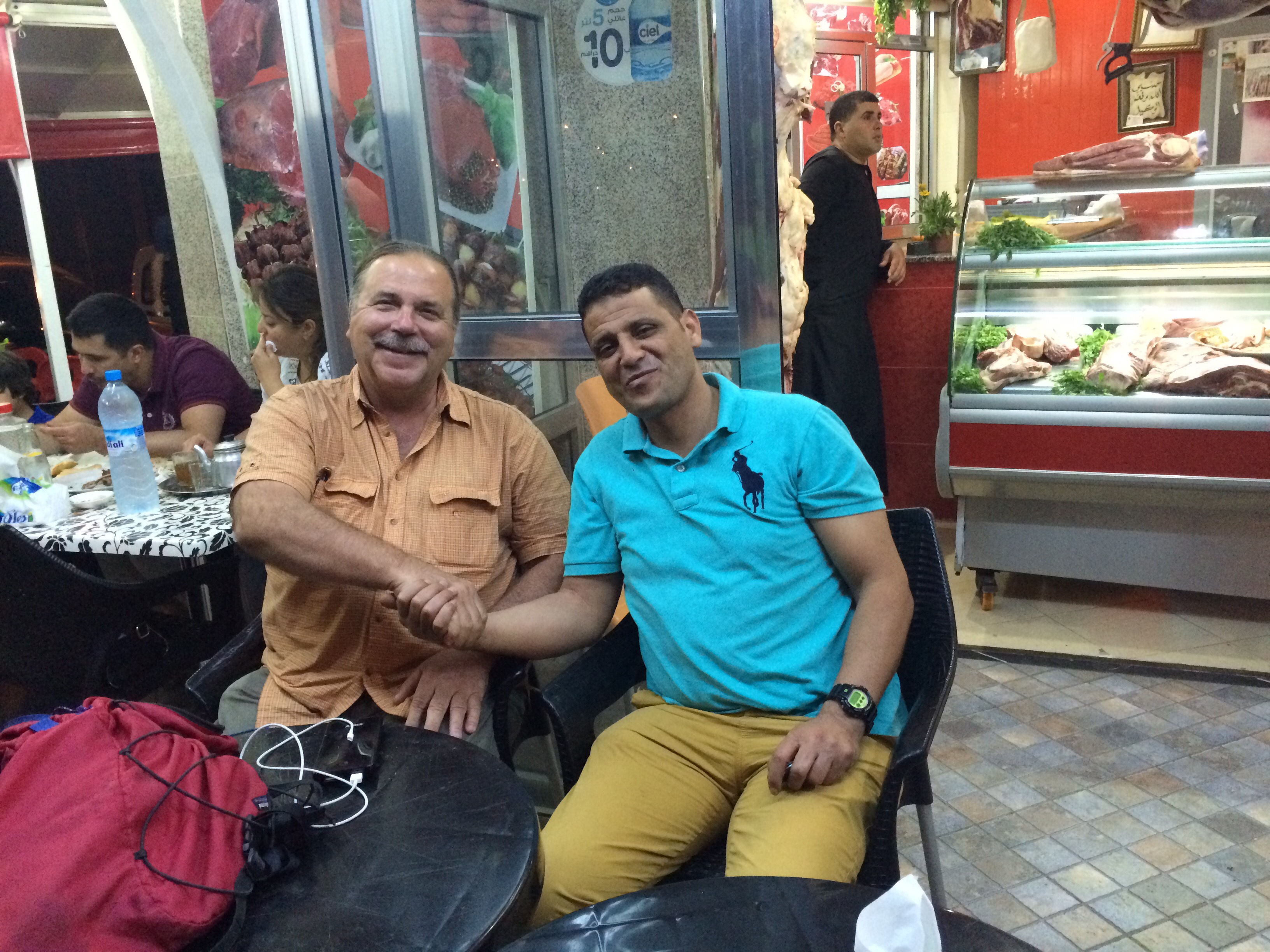
He entered the first class compartment with me in Casablanca and sat in the other window seat directly across from me.  He was traveling to see his parents in Fes for the start of Ramadan.   He asked where I was from, where I have been in Morocco, then where I was staying in Fes.  When I told him I had been in Tata, he said “Tourists never go to Tata”.   I replied, “But Omar, I am a traveler, not a tourist” and he immediately understood alot about me.

I described my hurried morning to catch the train and that I had not yet arranged lodging in Fes.  With a huge grin, he replied, “Today is your lucky day; I work at the information desk at the airport in Casa and I have many good friends in Fes.  I was raised there”.  He then made a few calls (all I understood of his conversations was the word American) then he told me about his friend Michelle.

Omar had a taxi waiting for me at the Fes station and he then invited me to dinner with him and his parents tomorow night.  We shook hands, then he disappeared.  Like that,  I was into the taxi and off to meet Michelle.   I put my bags in the trunk of Michelle’s 2012 Mercedes and we sped off to a hotel used by the Arab American language school where Michelle volunteers once a year teaching Arabic to english speakers.

Wityhin 10 minutes I was checked into the hotel for two nights and received a special discount for $18.00 a night.  Then back into the MB and off to eat.  Michelle was concerned about me since all I had to eat all day was 2 bananas, a piece of swiss cheese and some walnuts – train food on the 8 hour ride from Marrakech to Fes.  


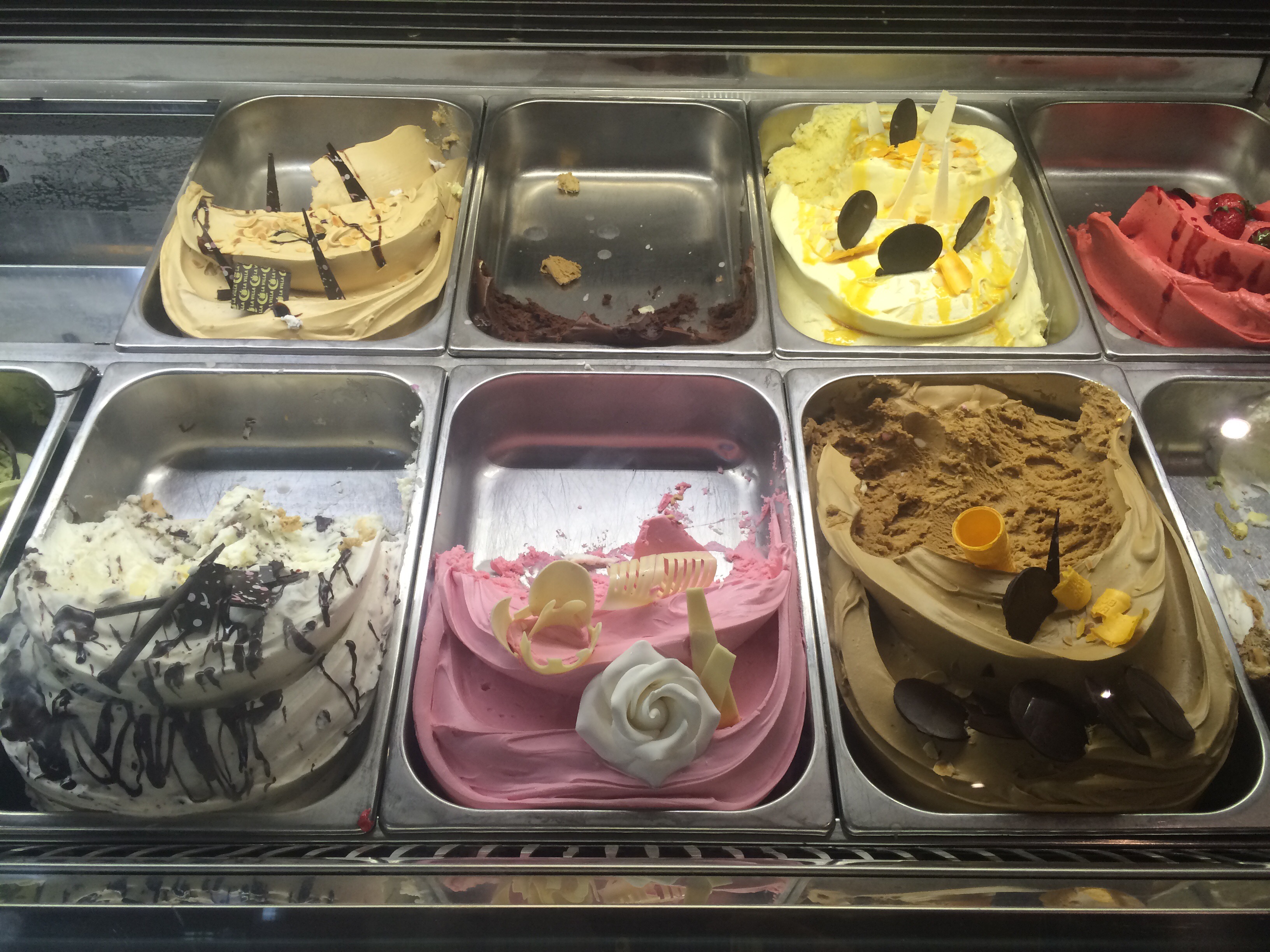
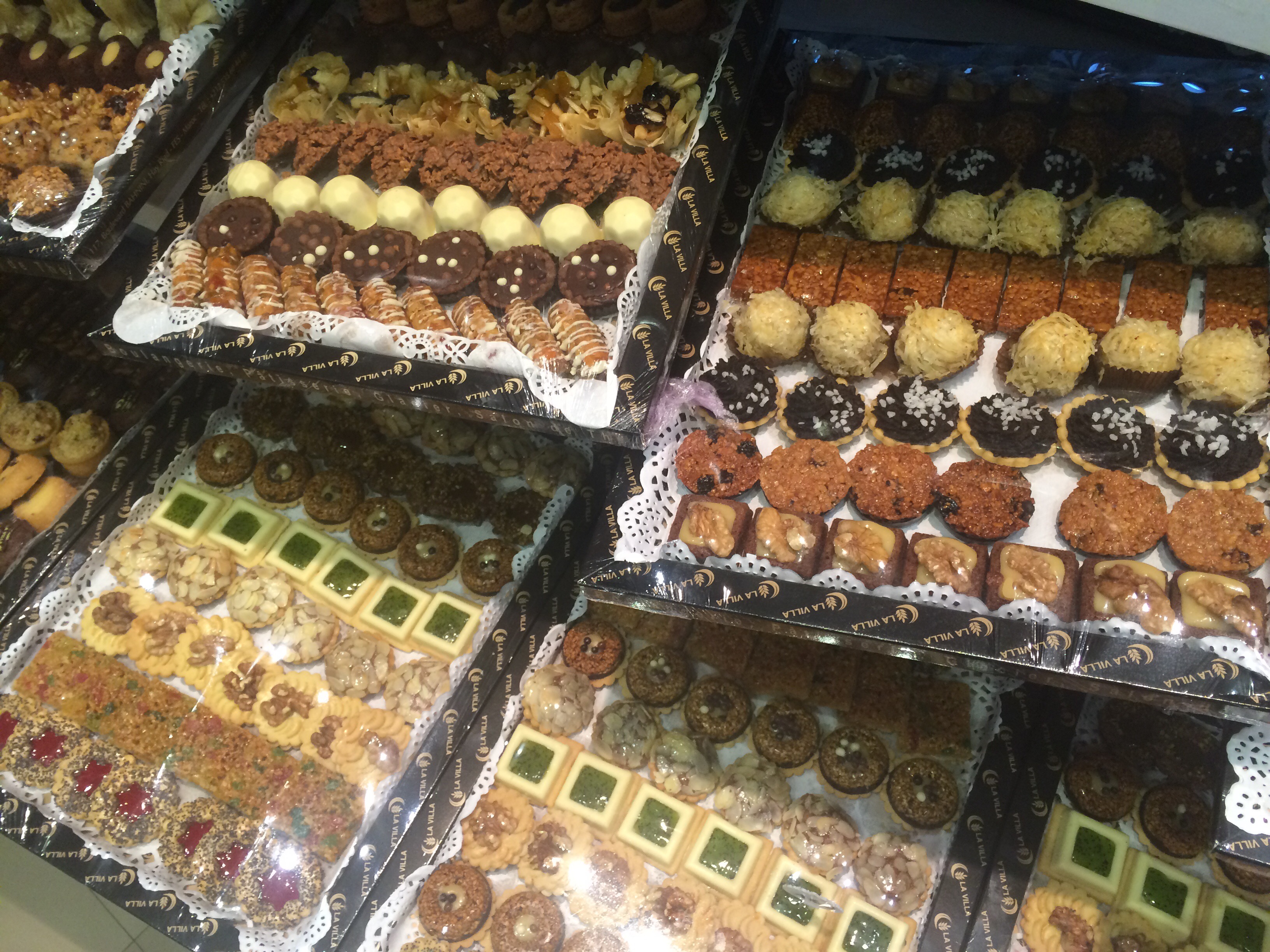
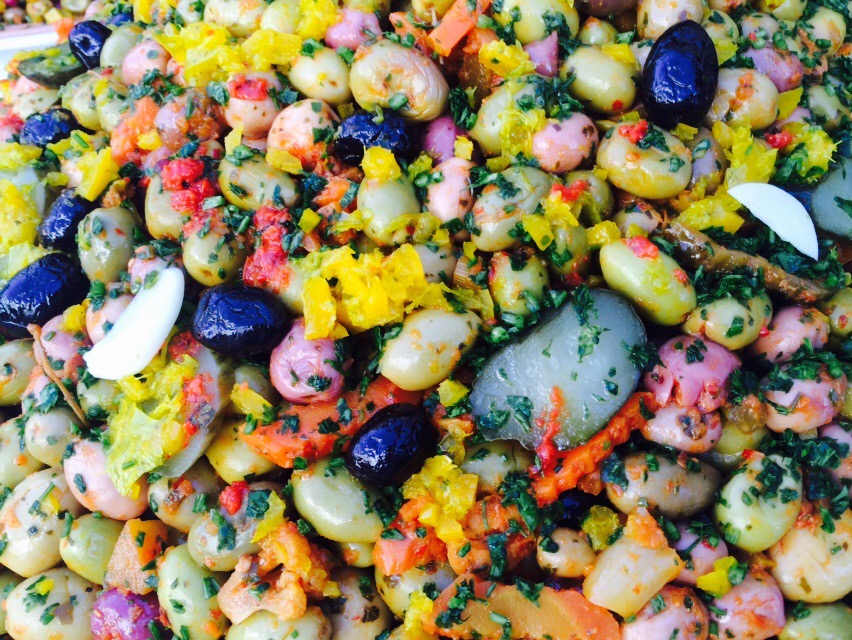
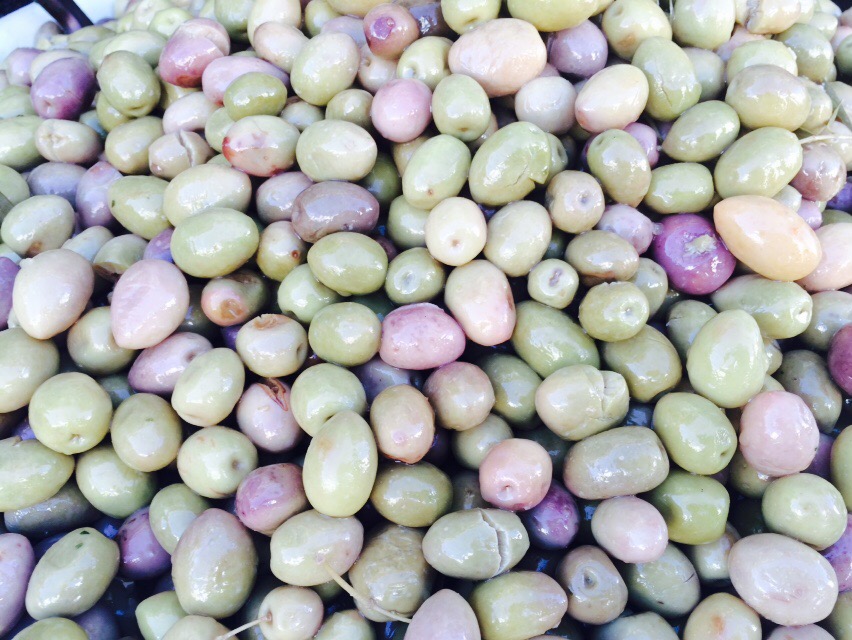
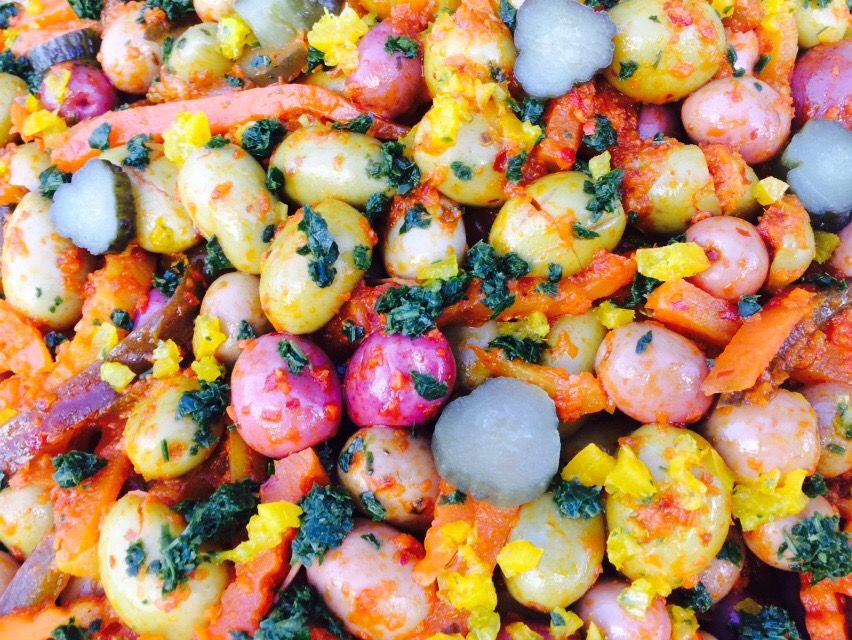
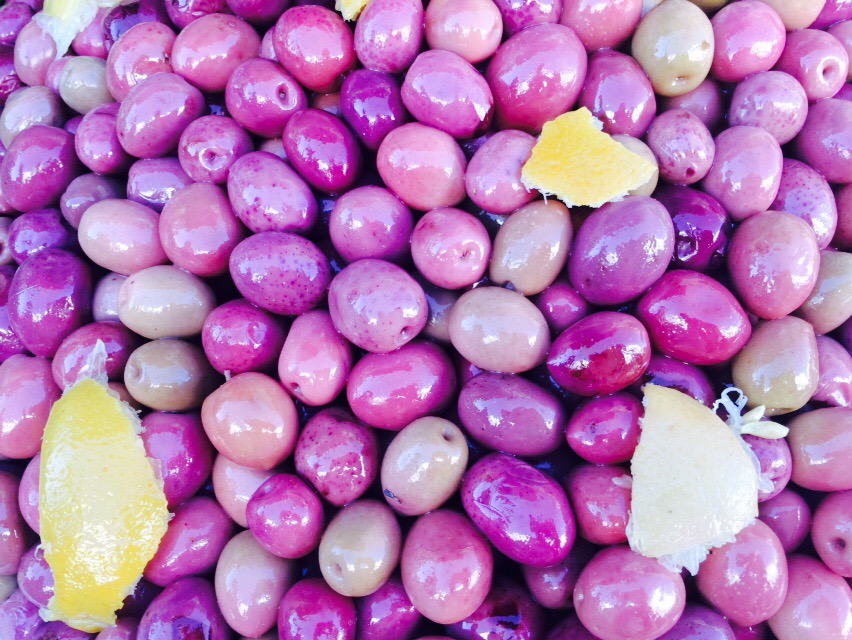
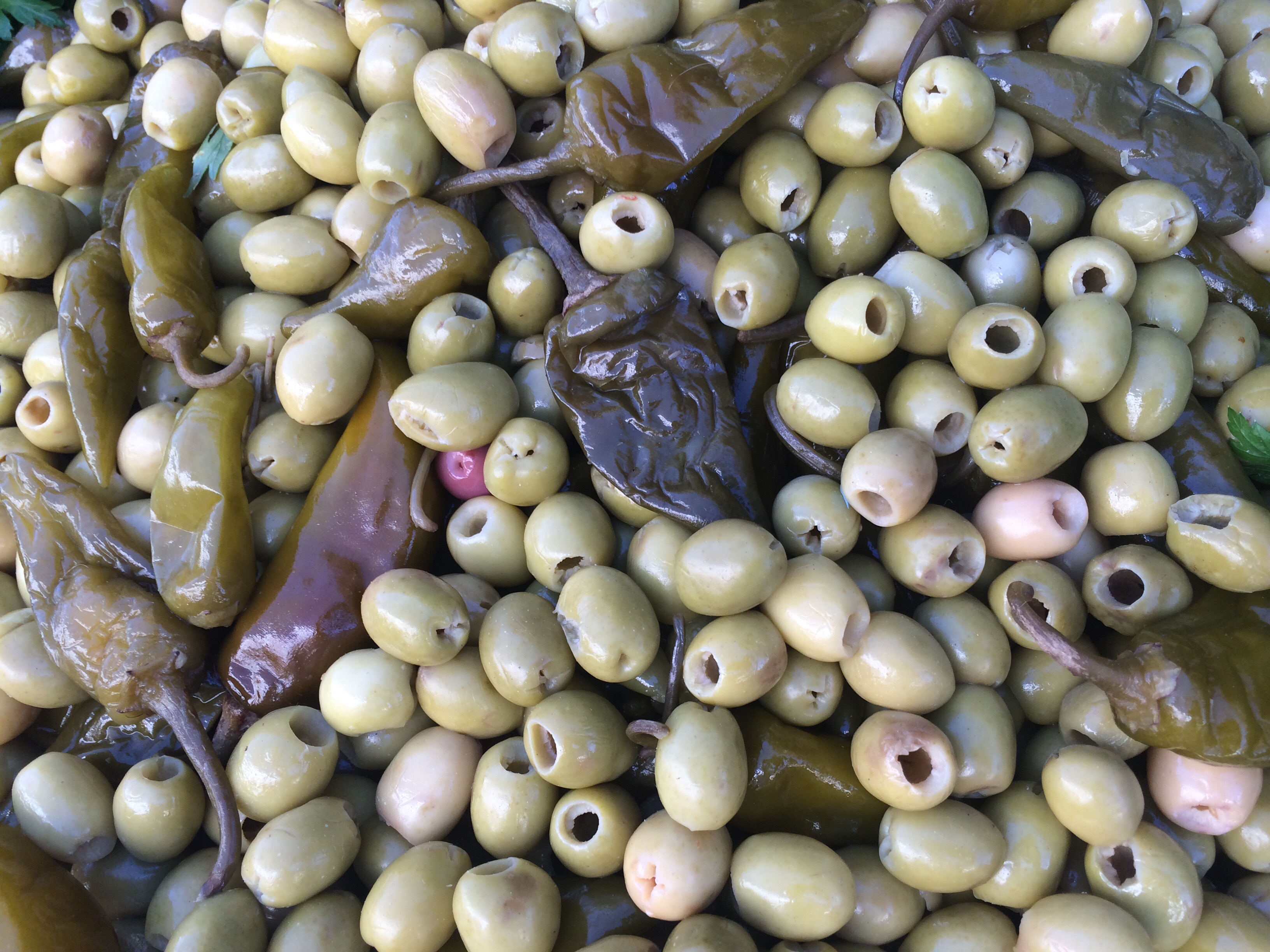
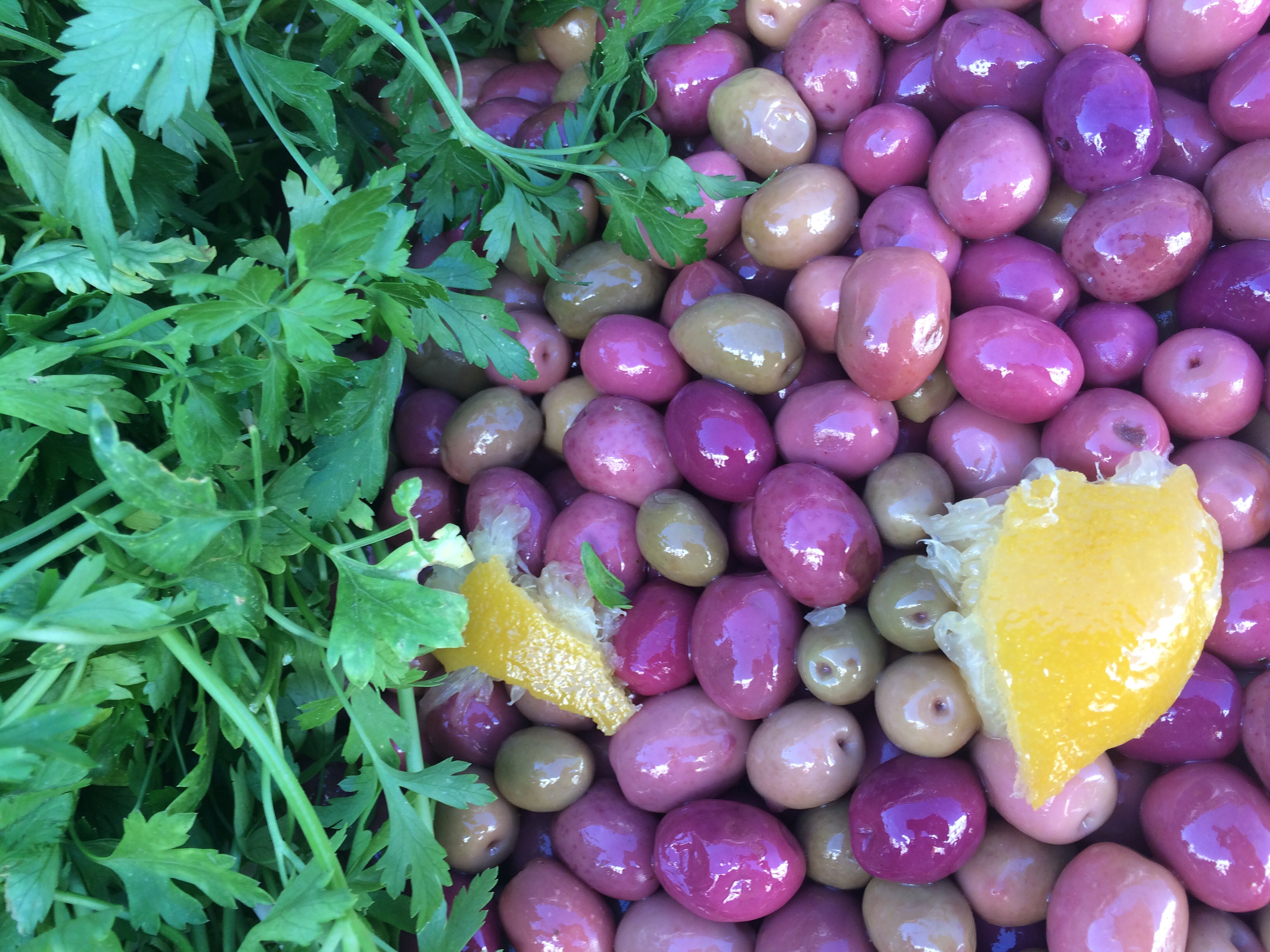
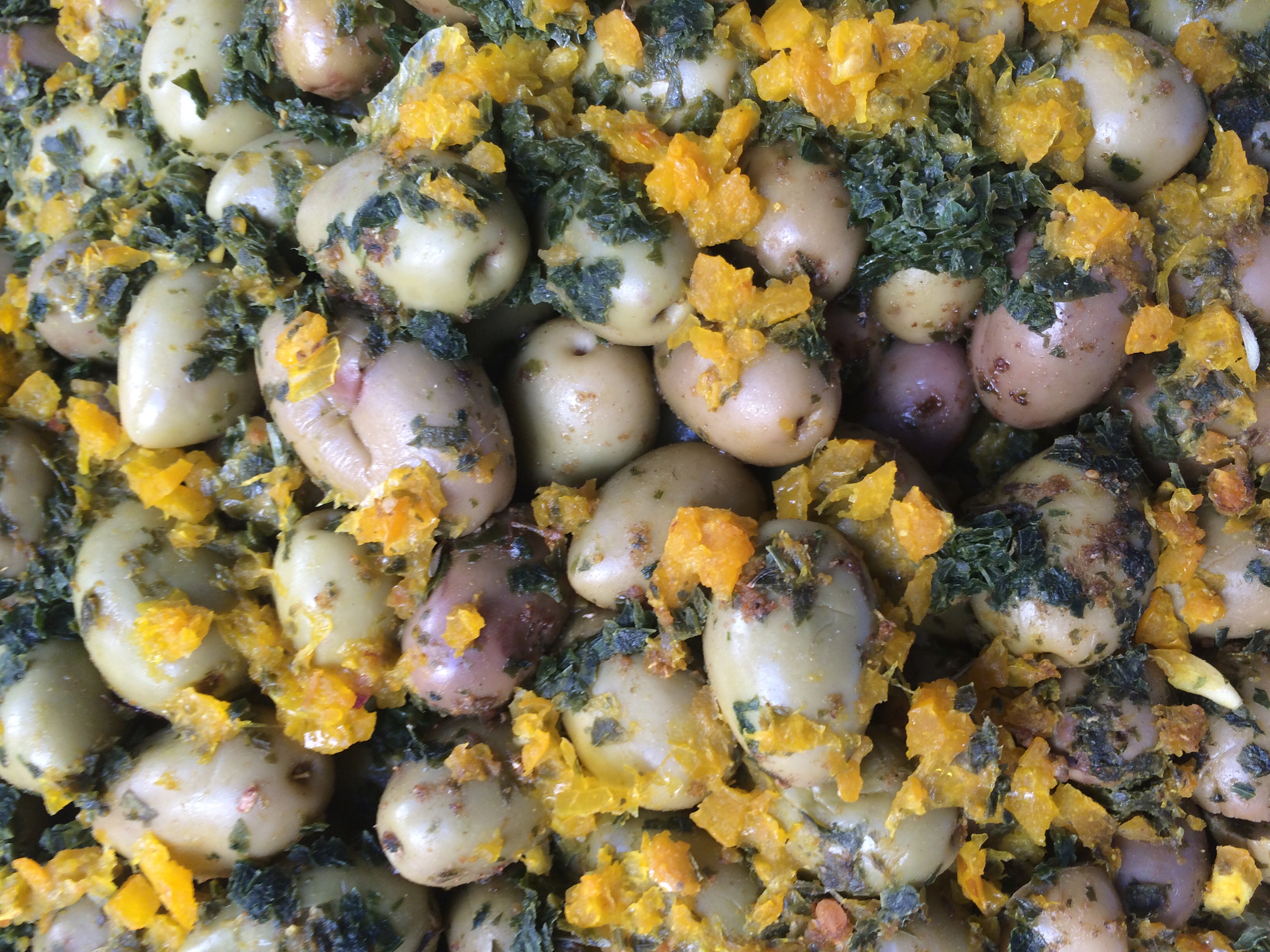
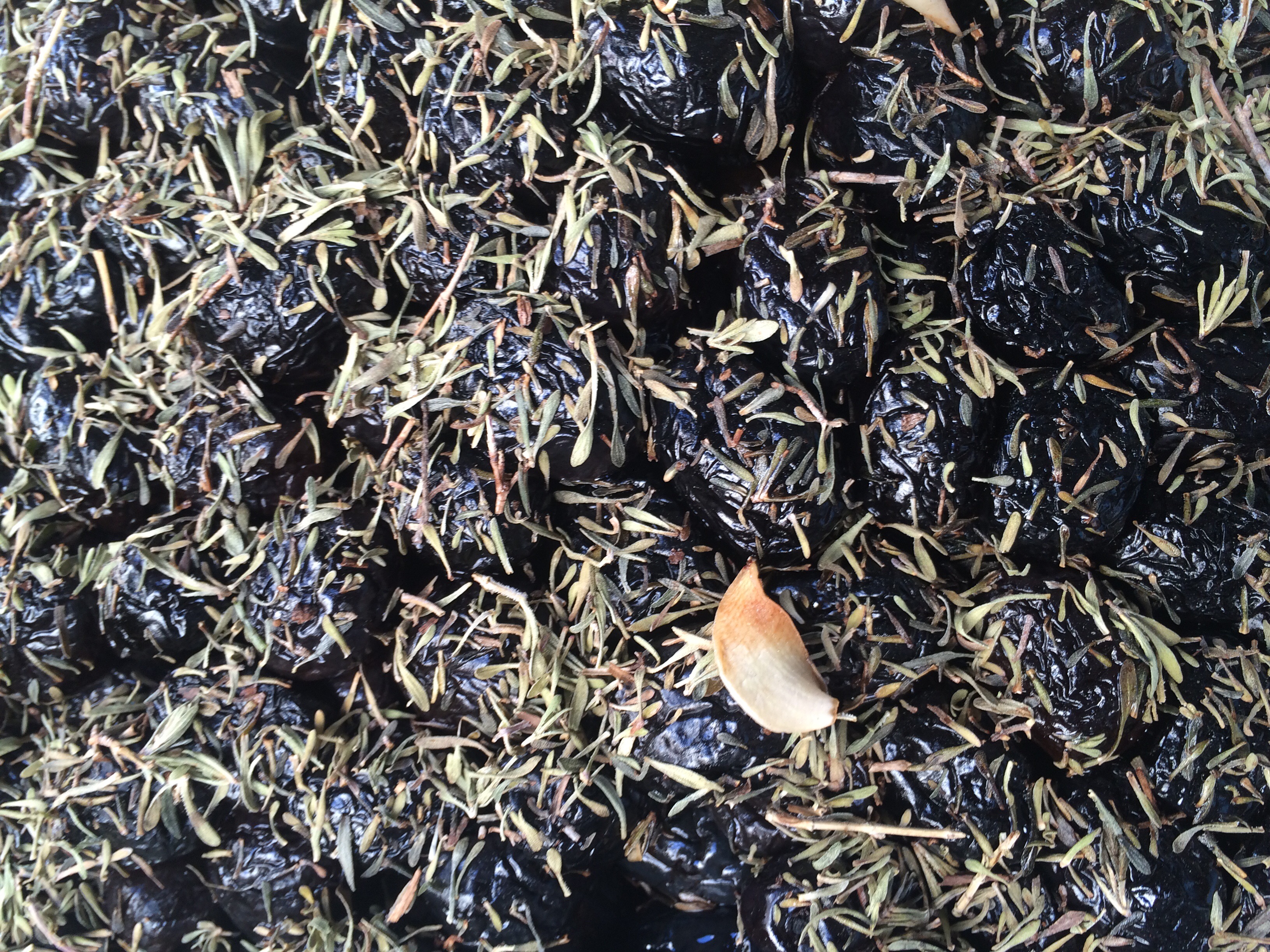
After my dinner, which he refused my insistance to pay, we were off for an espresso.  I passed on a desert, but took pics.


The son of an Ambassador to Switzerland with a ME in Architectual Engineering, he has been all around the world in consultation to UNESCO at World Heritage Sites. Places like Machu Pichu and Angkor Wat.  Educated in Switzerland, he speaks Arabic, English, Spanish and French.  He worked and lived in Manhattan for three years and was engaged to an American attorney.  He is single, in his late 30’s and lives in Zurich.  He is Lebanese.

We connected instantly and had a wonderful but brief evening making each other laugh.  It was like I had known him for several years.  When he dropped me off at the hotel, he said “I will pick you up at 8:30 AM”.  I asked where we were going.  He replied, “Surprise”.

So, I must now end my day.  Time to hit the bed.  Now 1:07 AM after a long day.  An interesting and exciting day of travel.  Will rise early and see what Michelle has planned.   Somehow, I think we will go see the house (probably not the right term) where for the last three years he has had up to 120 craftsmen from Fes working on a remodeling effort.

Omar called it a mansion.   

Tomorrow will be fun, inshallah.
Omar
Just Made The Train


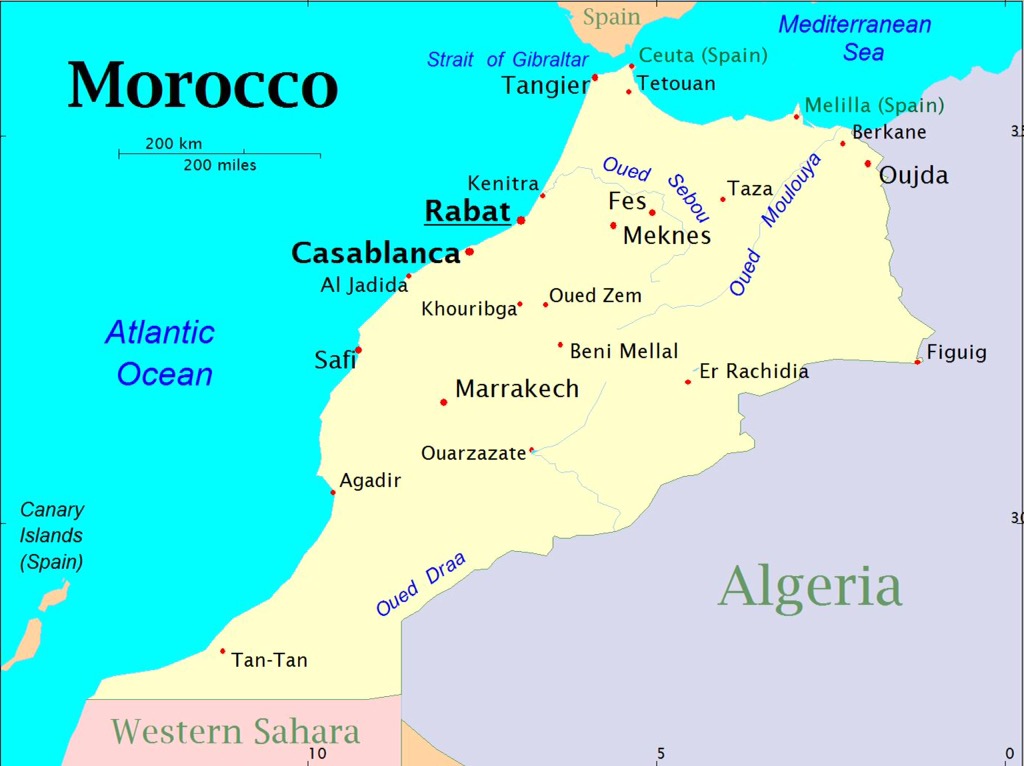
Up early, said goodbye to Essaouira, then off on the 120 km drive to Mkech to return the car and catch the train.  


The rental car lady took an agonizing 45 minutes to meet me at the train station parking lot, leaving me just 25 minutes to get a ticket and board the 12:45 train.  I needed cash and the ATM was only operating in French.  Luckily, I am quite familiar with the buttons to push for money after lots of practice. Then a long line for a ticket to Fes – an 8.5 hour train trip for $31.00.  

The train left at 12:45 PM, right on time.  I was just getting settled in the first class compartment and still sweating heavily from all rushing as the train departed. 

Will arrive in Fes at 8:20 PM and do not yet have a room booked.  Need to work on that, I guess.  I call it ‘hot packing’.  Somehow, the less I plan, the better it seems to work out.  Let’s see what happens.

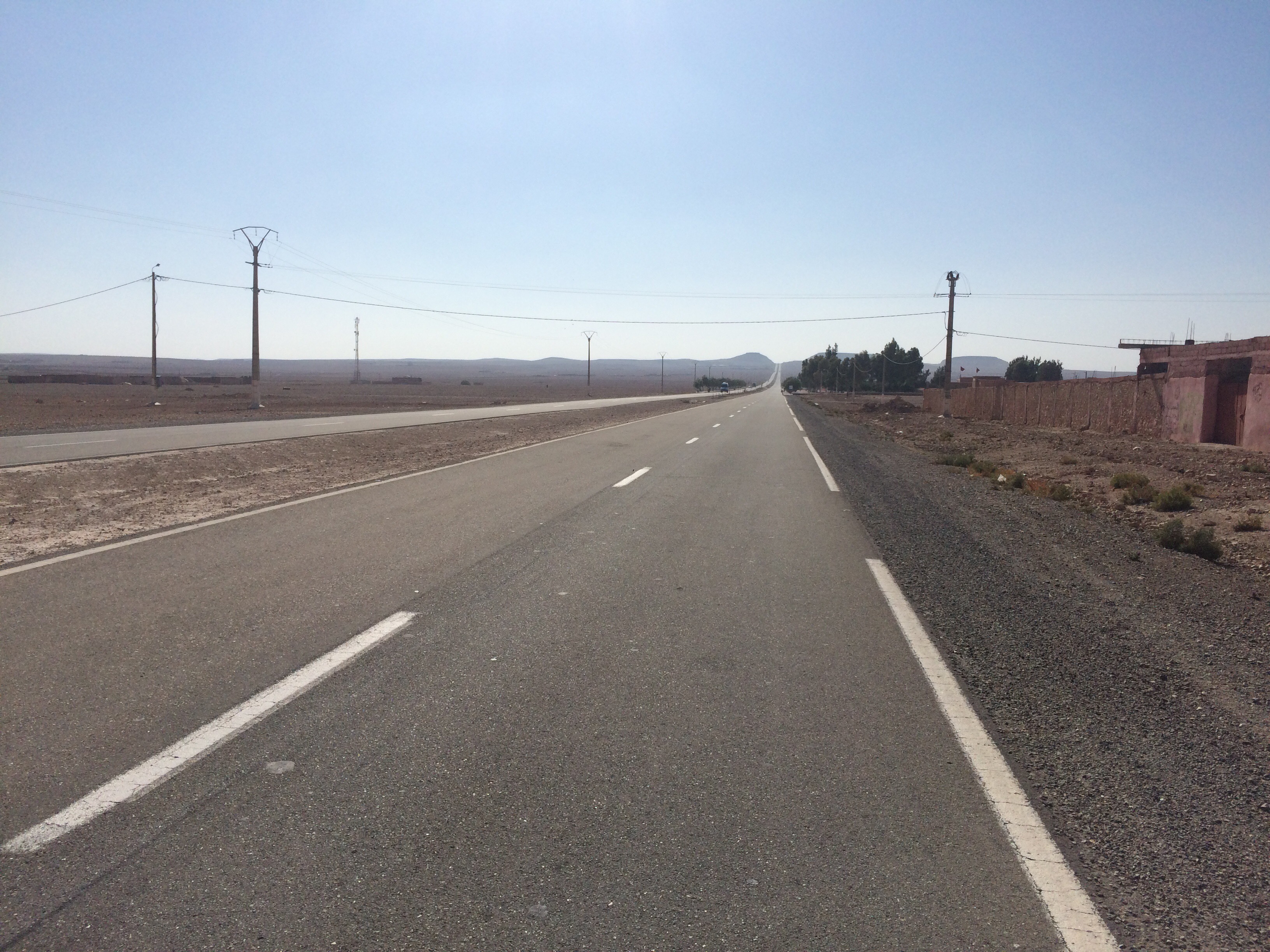
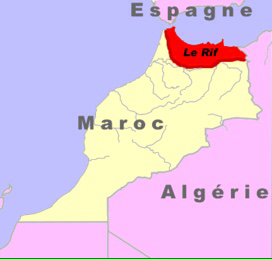
Enjoyed the freedom of a car the last 5 days, so will get another one and explore northern Morocco.  Have heard and read good things about the region and the infamous Rif Mountains, so will give it a good effort.   


Ramadan looms.

Don’t Mess With Perfect

On New Year’s eve 2014-15 I was in Luang Prabang making my second visit.  After two days in a long boat motoring down the Mekong in northern Lao, I returned with the trepidation of finding my second visit less intoxicating than the first.  Luckily, my second visit equalled and in many ways surpassed the first.

That evening I was searching the web for information on Luang Prabang and came across an essay in Outside Magazine that was written by Elizabeth Gilbert, the author of “Eat, Pray, Love”and “Committed”.

As laid in bed and read the essay, I was grateful I had returned.  I could still easily return for a third visit.

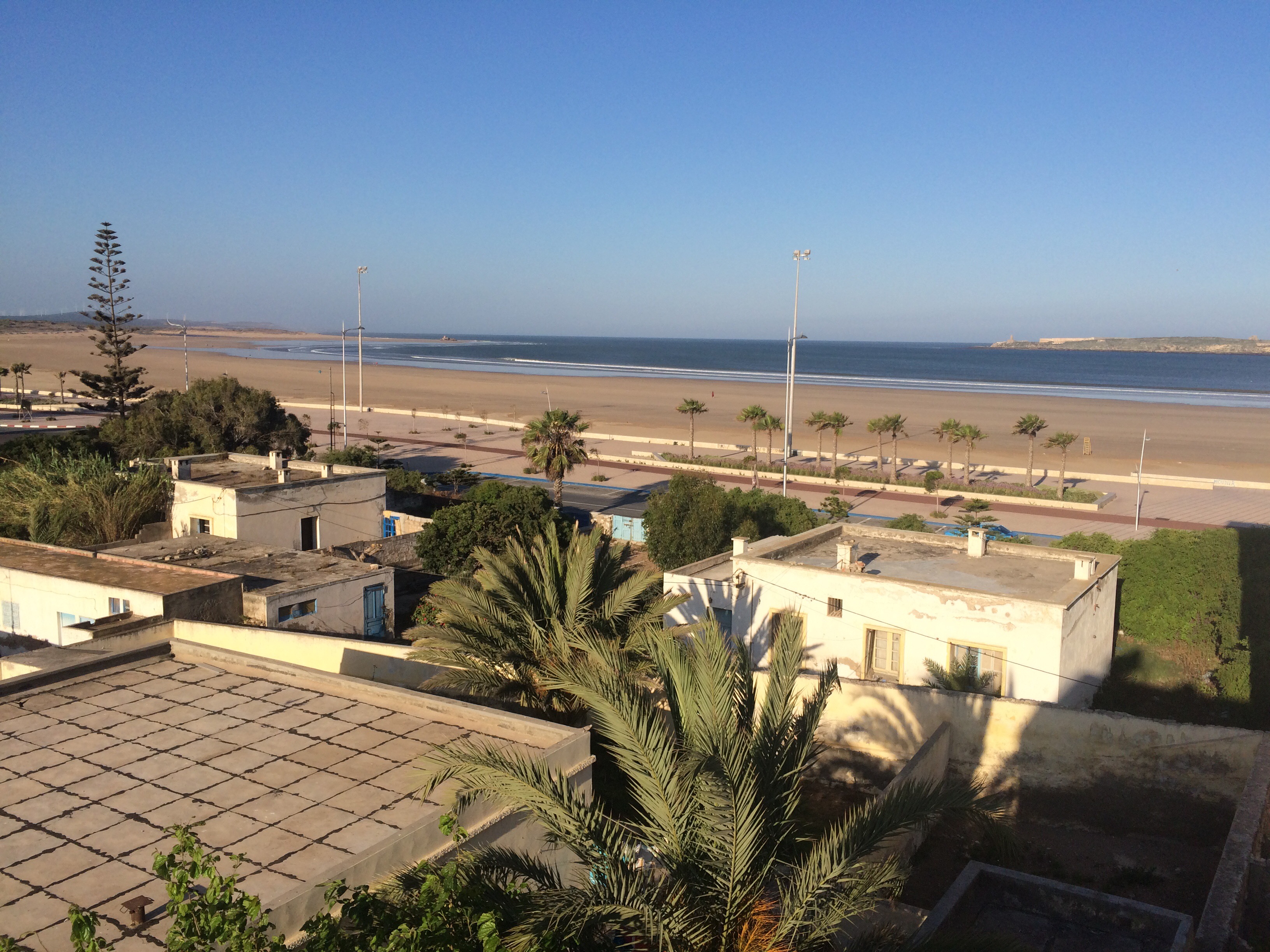
Tonight, my last night in Essaouira, I wondered if I will ever return.  It is a perfect place with the beach, ocean, sun, wind and many, many friendly people.  I was told there would be music tonight in a small cafe in the medina and upon my return at 6:30 PM I was dissapointed with no music.  So I walked the streets one last time, returning to the restaurant where for the last three days I drank my afternoon beer.  I was greeted with a smile and a strong handshake.  Later, as the sun set, I walked the streets of the medina one last time, reveling in the beauty and serenity of Essaouira.

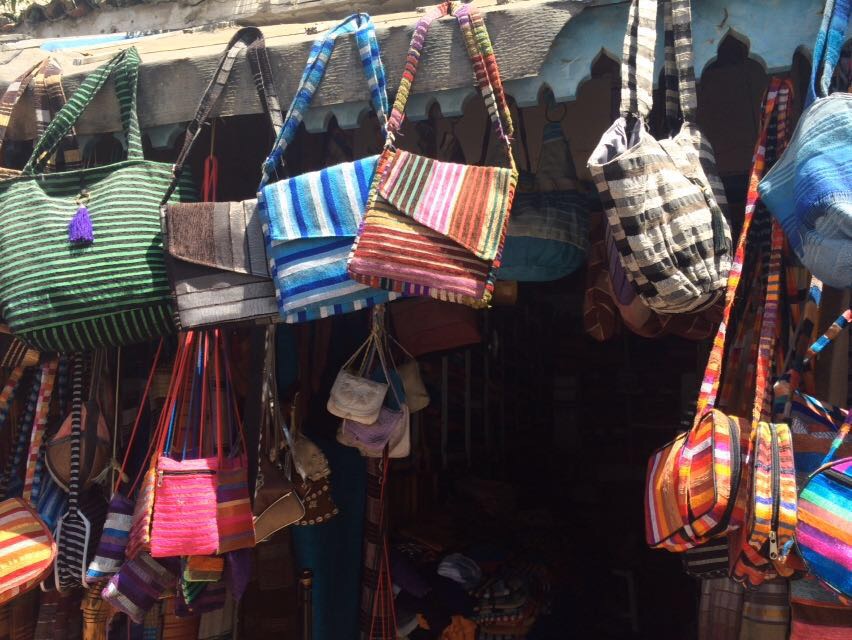
Shop keepers waved and said hello, inviting me with smiles into their leather bag stores, making one last unsucessful attempt to sell me another bag.  We then laughed about our back and forth bargaining over the last three days and took pictures together, shook hands and said goodbye.  I told them I would return, inshallah.

Essaouira is a perfect place.

http://www.outsideonline.com/1914516/dont-mess-perfect

Another Old Theme


He smiled with a missing tooth grin and offered his hand to shake.  When I reached forward he suddenly grabbed my hand and pulled me with strength and control closer to him.  

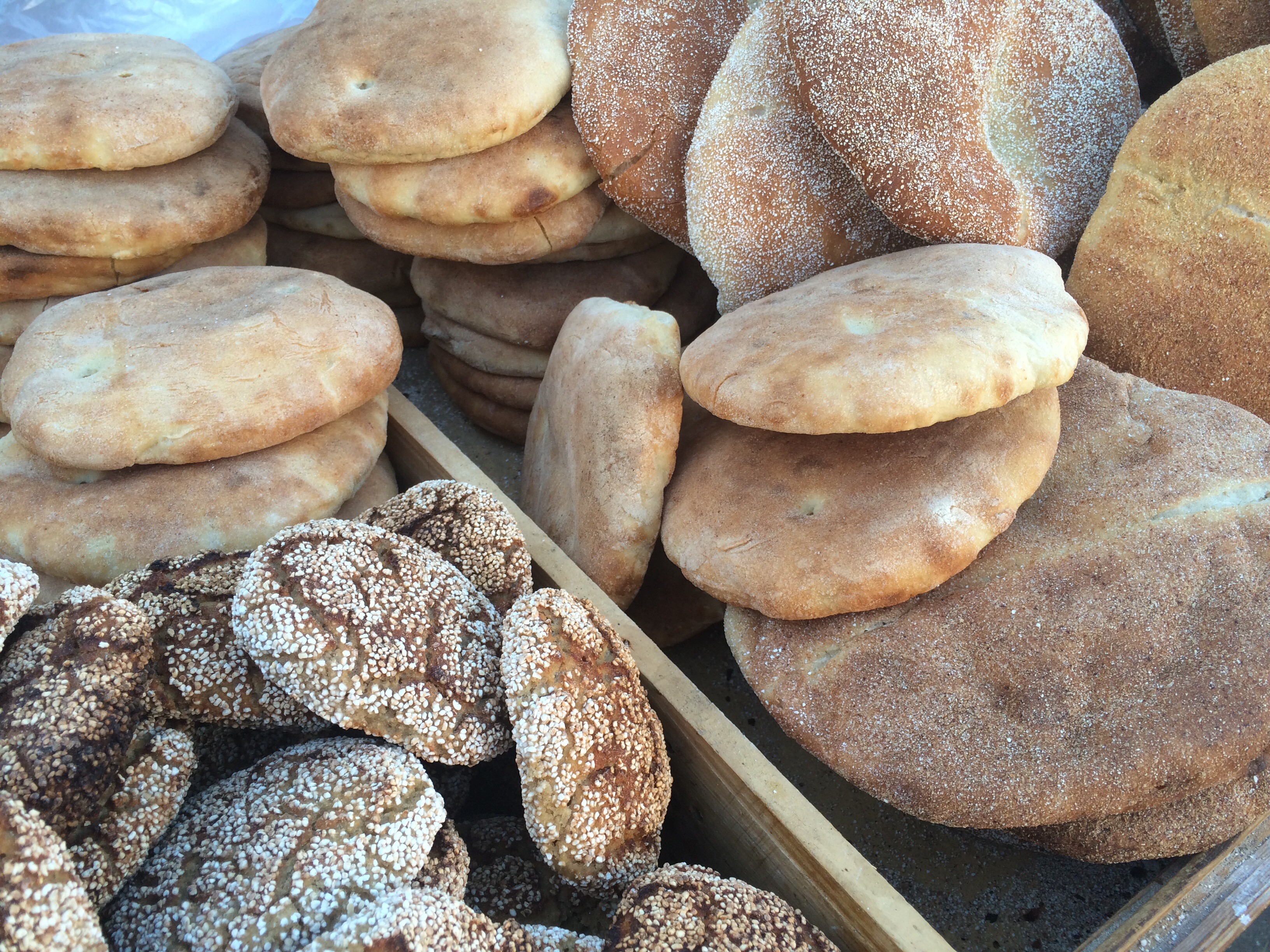
With his other hand he pressed a warm round of bread lightly against my bare arm to let me know it was fresh from the oven.

An Old Theme

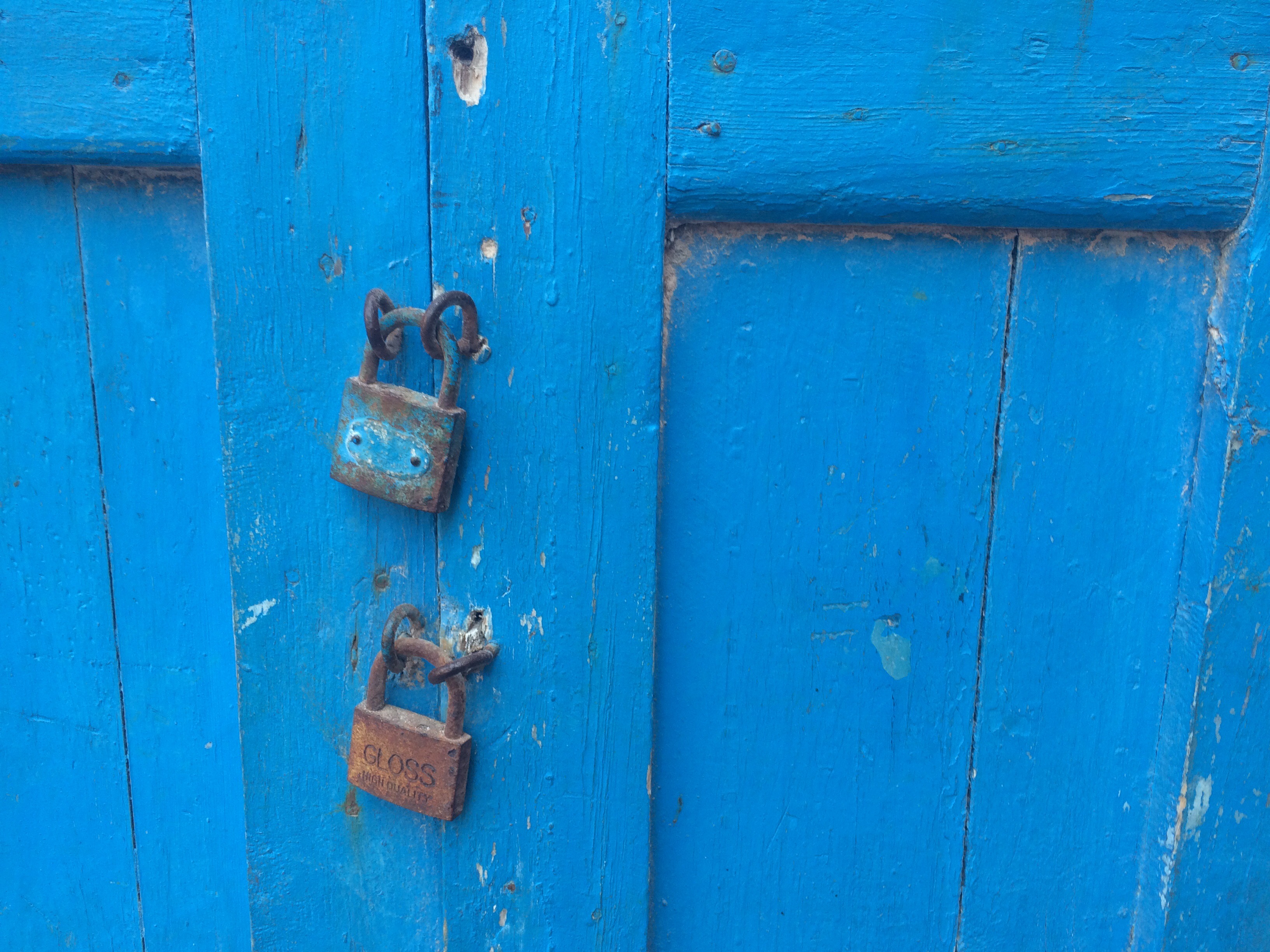
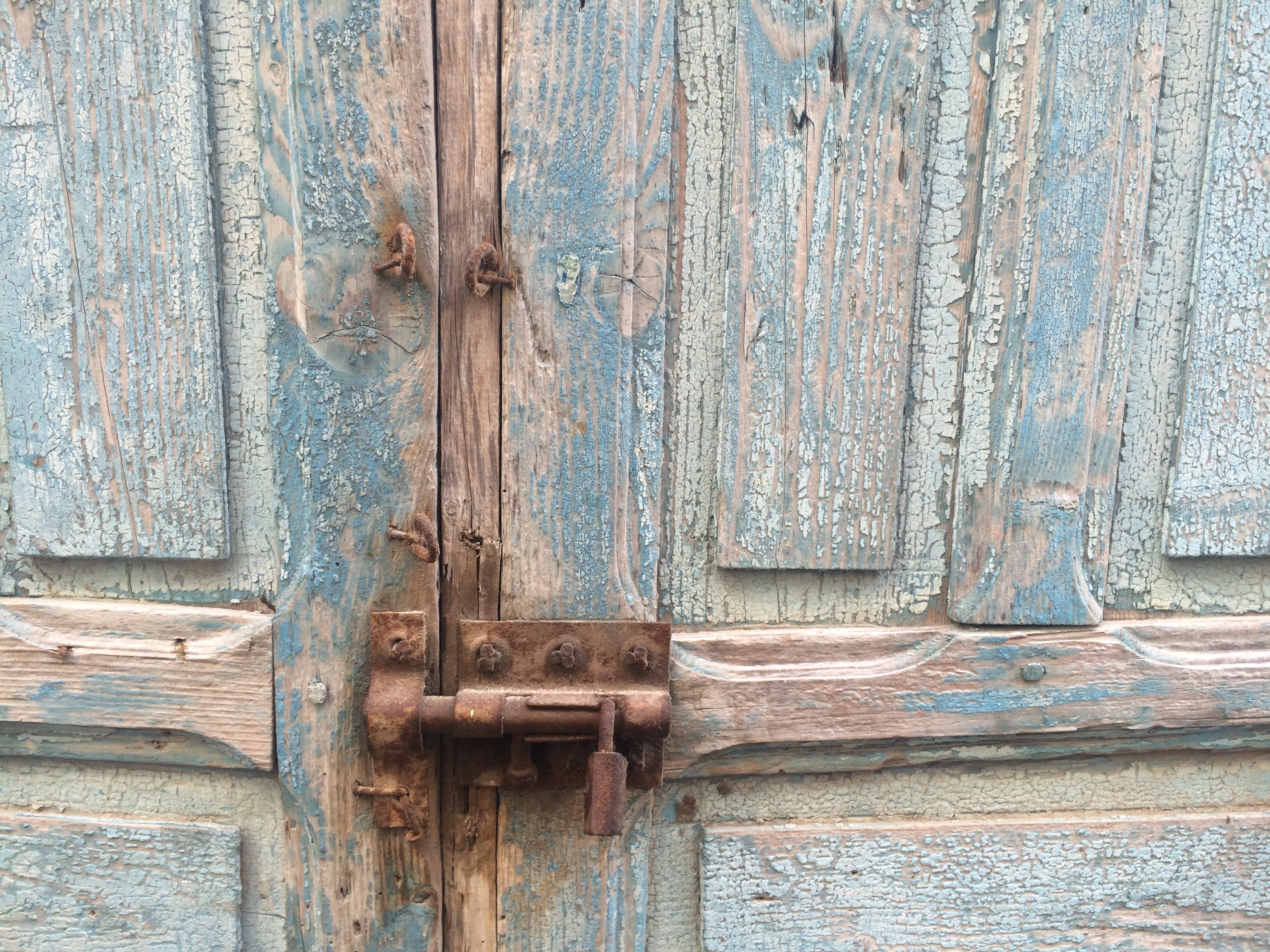
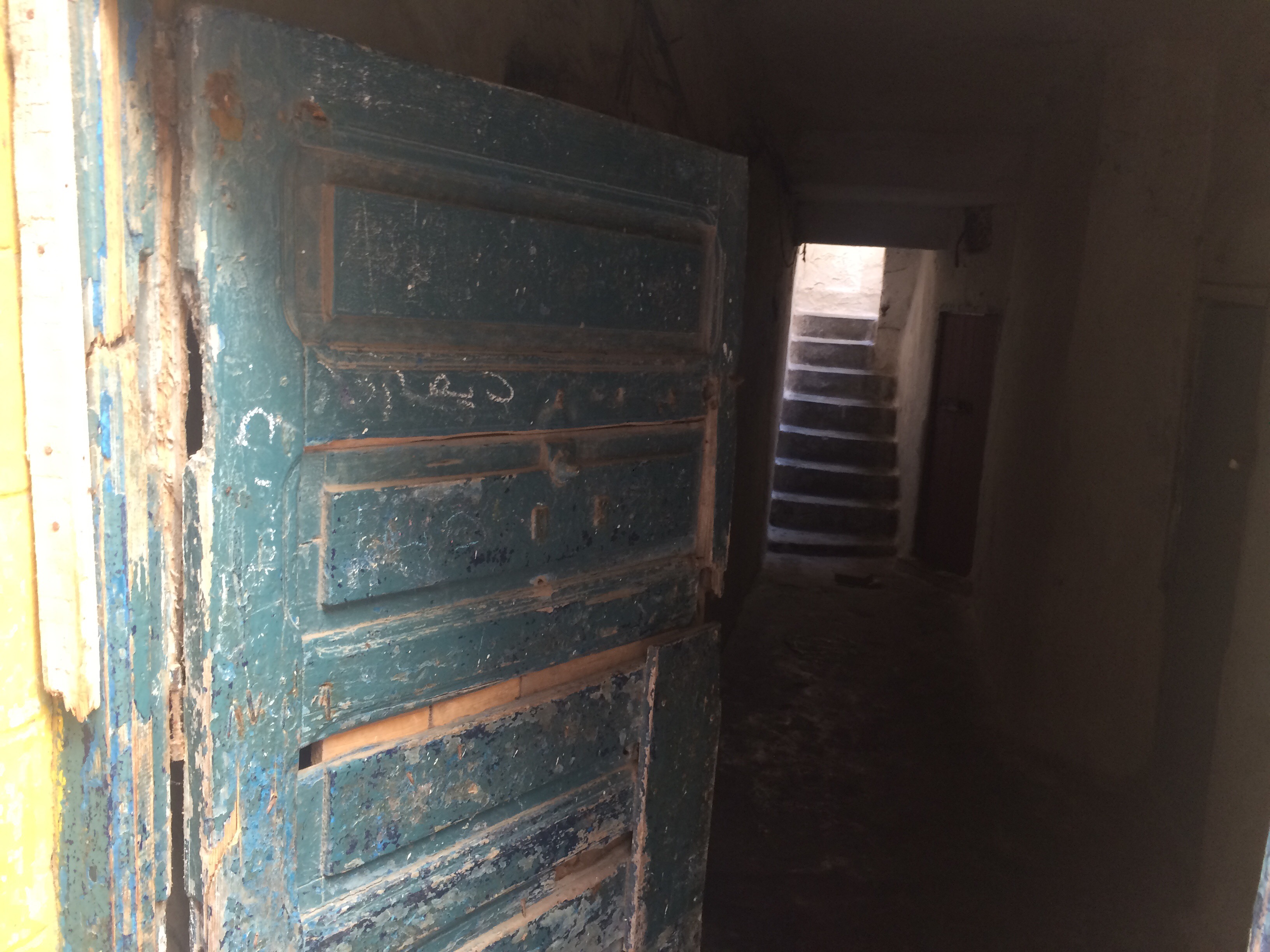
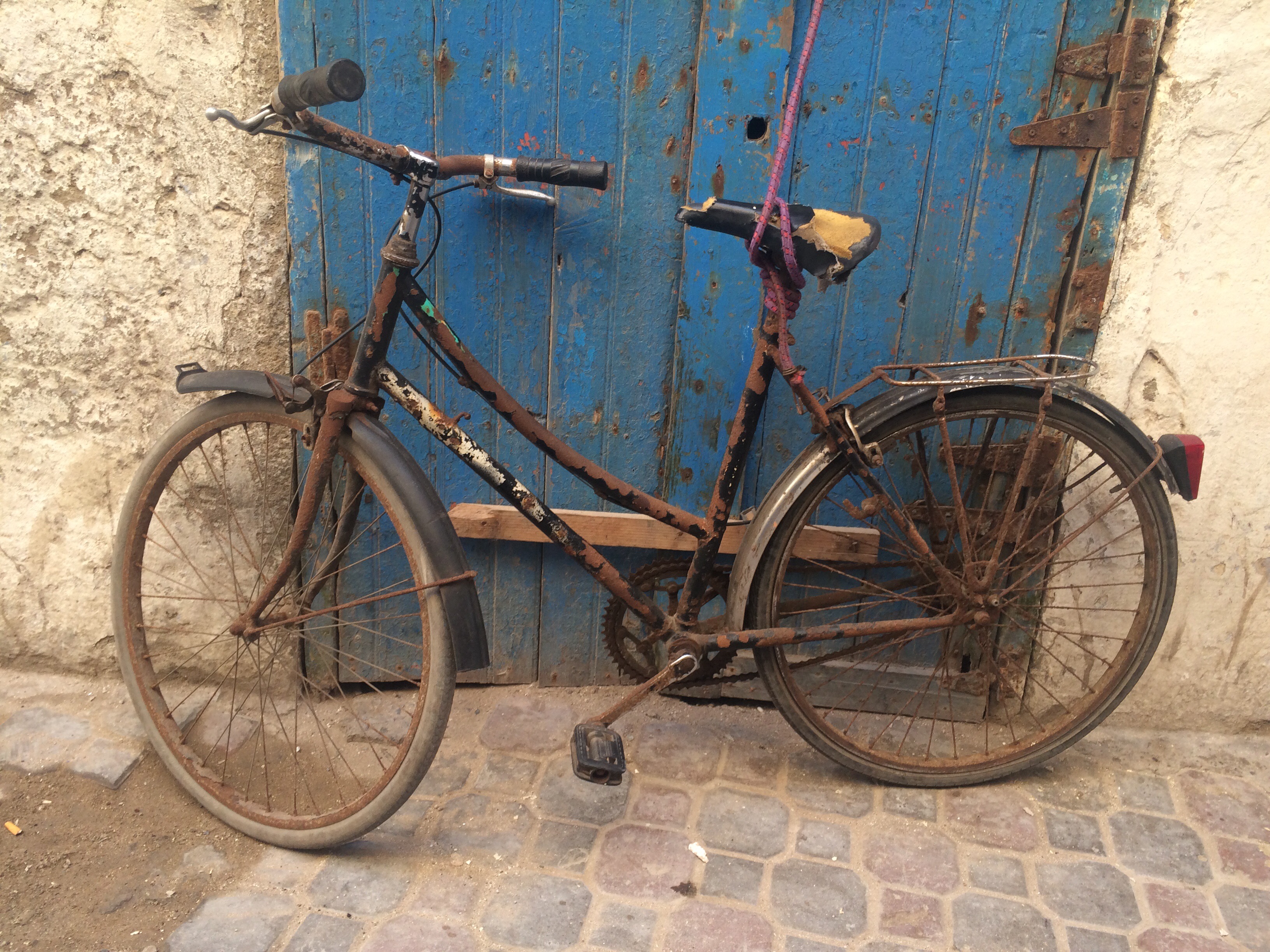
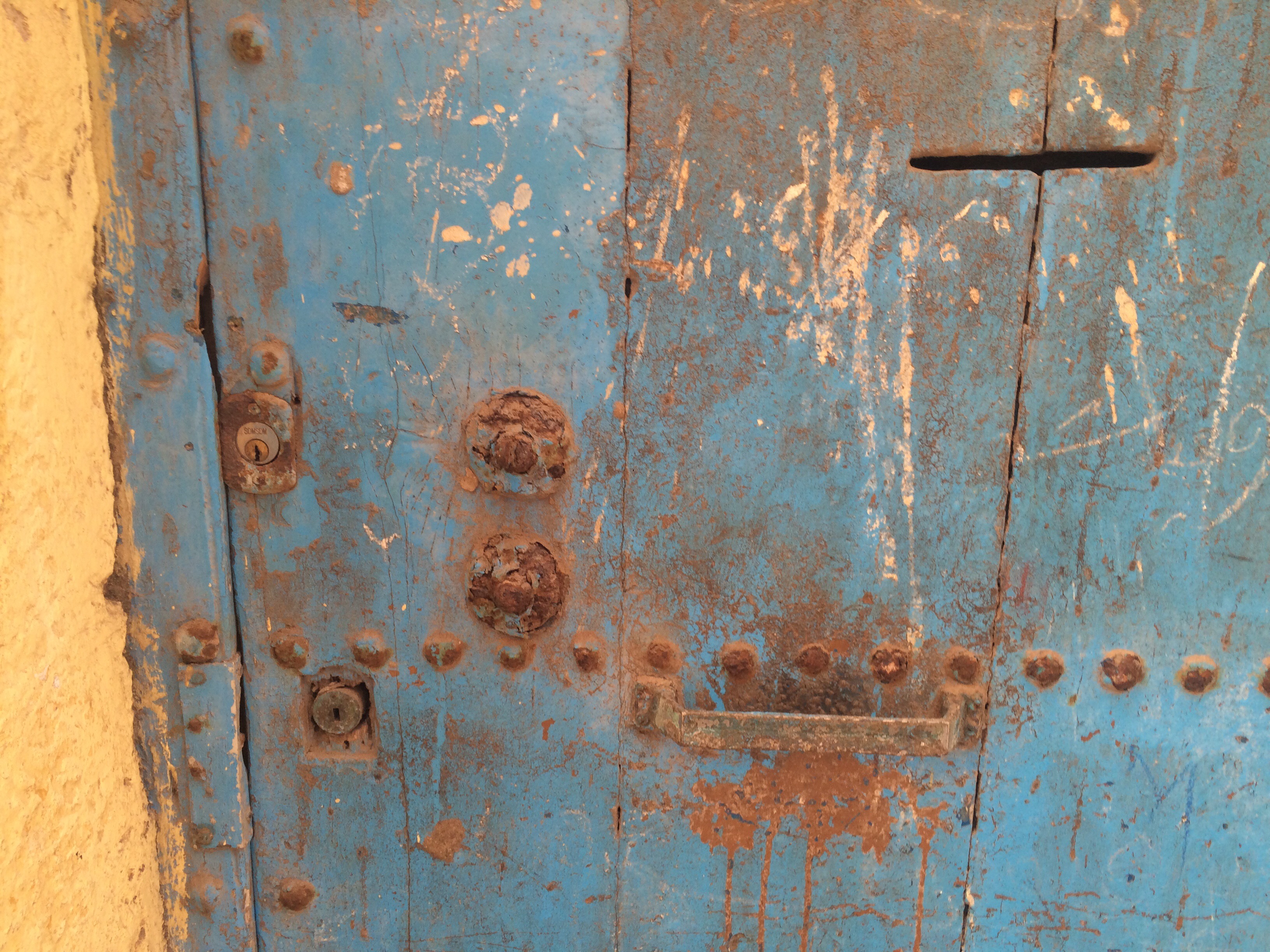
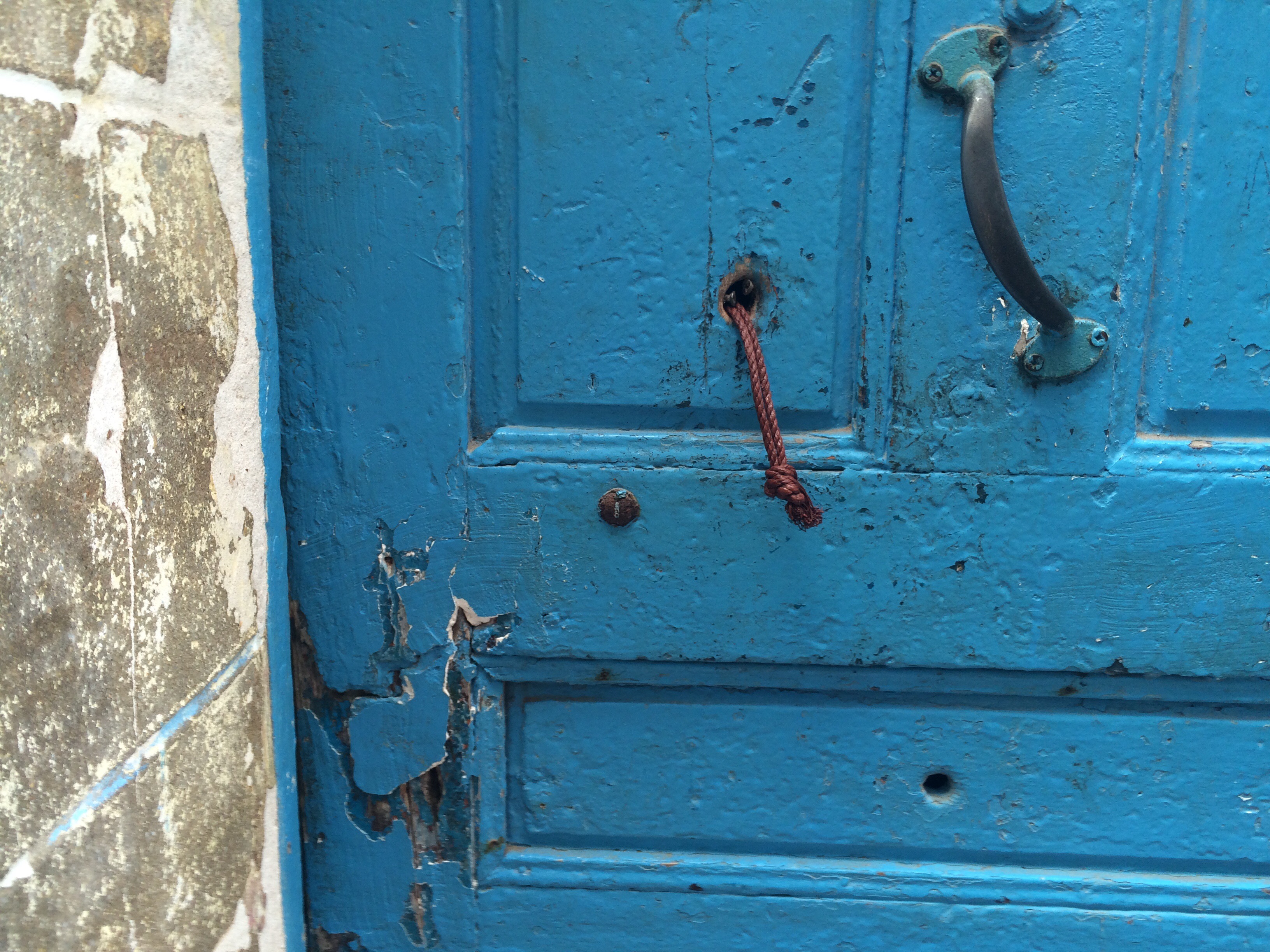
You might remember that I have a passion for photographing old doors, windows and walls.  I often wonder what is on the other side.  


The early morning light was good so I took pics for ten minutes as I walked around the medina in Essaouira this AM.  If you viewed this page, please leave a comment.

Runnin’ Blue

After 40 days of walkabout, I am currently experiencing my first case of ‘Traveler’s Stomach.’


Runnin’ Blue

Poor Otis dead and gone, Left me here to sing his song
Pretty little girl with the red dress on
Poor Otis dead and gone
Yeah, back down, turn around slowly
Try it again, remembering when
It was easy, try it again
Much to easy, rememberin’ when
All right, look at my shoes, Not quite the walkin’ blues
Don’t fight, too much to lose, Can’t fight the runnin’ blues
Well, I’ve got the runnin’ blues
Runnin’ away, back to L.A.
Got to find the dock of the bay
Maybe find it back in L.A.
Runnin’ scared, runnin’ blue
Goin’ so fast, what’ll I do
Well, I’ve got the runnin’ blues
Runnin’ away, back to L.A.
Got to find the dock of the bay
Maybe find it back in L.A.
All right, look at my shoes
Not quite the walkin’ blues
Don’t fight, too much to lose
Can’t fight the runnin’ blues
All right, look at my shoes
Not quite the walkin’ blues
Don’t fight, too much to lose
Can’t fight the runnin’ blues

The Doors


Now off to the medina.  I’m going shopping for purses!!


Ramadan

From the web:

As Ramadan begins Sunday June 5, at the sighting of the moon, most muslims will assume a religious fasting schedule starting on Monday at dawn. What are the Ramadan fasting rules? Why do Muslims fast? How can non-Muslims participate? We won’t go into detail on what Muslims eat during Ramadan, which are usually traditional dishes especially those that include dates. There aren’t many restrictions on what to eat so much as when to eat. Ramadan occurs 11 days earlier each year, cycling through Gregorian (modern, Western) calendar over time. As you’ll see below, the astronomy and geography of Ramadan varies; Muslims have to fast longer depending on where they live and what time of year it is.

What are the Ramadan fasting rules?

The most basic tenant of the Ramadan fast is not eating or drinking (even water) between dawn and evening, according to local sunrise and sunset times. Landing in early summer, Ramadan 2016 will involve long fasts for American and other Muslims in the Northern Hemisphere. Near the Arctic Circle, for example, the fast will last around 22 hours. In Australia, in the Southern Hemisphere, the fast will last around 12 hours. Some Muslim-majority countries ban eating and drinking in public for all residents, even non-muslims and most restaurants are closed during daylight hours.

Daytime fasting during Ramadan has an ascetic quality. Muslims basically go about their normal routine, including work school and social functions. However, observers of Ramadan are expected to “abstain from food, drink and other sensual pleasures,” according to the Council on Islamic American Relations (CAIR). Sensual pleasures include sexual intercourse. Some say that kissing is okay. While already banned or discouraged in Islam, extramarital sex, smoking and drinking are even more discouraged during Ramadan. Minor indulgences such as lying require a small penance. Major offenses — day sex, eating, drinking — require a major penance such as additional fasting or feeding poor people.

Fasting is only required for people who are physically able to do so. The elderly, sick and mentally ill are all exempt. Pregnant, nursing and menstruating women are also exempt from fasting rules.

Why do Muslims fast?

While some Ramadan rules are detailed in the Hadith (accounts of the prophet Muhammad’s life, the main gist can be found in the Qur’an.

“O you who believe! Fasting is prescribed for you as it was prescribed for those before you, that you may attain Taqwa [God-consciousness]. – The Qur’an, Al-Baqarah:183

“The fast is performed to learn discipline, self-restraint and generosity, while obeying God’s commandments,” according to CAIR. Like Catholics who fast for Lent, Muslims fast to get closer to God. Unlike Jewish fasting for Yom Kippur, Ramadan isn’t so much about atonement. Fasting is one of the five pillars of Islam, after (1) monotheism (2) daily prayer (3) charity and before (5) pilgrimage to Mecca. In many Muslim families, Ramadan is a time of togetherness, like the shared worship of a Christmas mass or the shared cooking and facetime of Thanksgiving.  

How can non-muslims participate?

Some non-muslims participate in fasting, especially if they live in a muslim country or have lots of Muslim friends. In Western countries where food and drink are flowing through the day during Ramadan throughout the day right under their hungry and thirsty mouths, non-muslims can support their muslim friends by not eating or drinking in front of them. Non-muslims are also often invited to Ramadan feasts. Ramadan isn’t all about abstinence. Post-sunset dinners during Ramadan can be decadent feasts. Called “iftar,” the fast-breaking meal is open to non-muslims. CAIR has urges local Muslim leaders to hold interfaith iftars and have put out a guide on how to do so.

I say:  Sounds OK, I need to loose weight.  But planning to head north so I can quickly escape to Spain if needed.
 

Ourazazate Revisited

The Ouarzazate area is a noted film-making location, with Morocco’s biggest studios inviting many international companies to work here. Films such as Lawrence of Arabia (1962), The Living Daylights (1987), The Last Temptation of Christ (1988), The Mummy (1999), Gladiator (2000), Kingdom of Heaven (2005), Kundun (1997), Legionnaire (1998), Hanna (2011), and Salmon Fishing in the Yemen (2011) were shot here, as was part of the TV series Game of Thrones


Read that Brad and Angelina have shot movies here, along with a host of other celebs.